

“`html
Netanyahu’s Desperate Gamble: A Threat to Israeli Democracy and Security
Prime Minister Beniamin Netanyahu is unphased by poll numbers that suggest his power is on shaky ground. A recent survey from Channel 12 reveals that his Likud Party could plunge from 32 to a mere 24 seats, struggling to secure a coalition with radical Jewish and ultra-orthodox factions that doesn’t even reach the critical 61 votes needed for a majority. Despite these alarming trends, Netanyahu is not backing down; in fact, he’s doubling down following the disastrous events of October 7, 2023, when many Israelis felt he should step down for the good of the country.
“Netanyahu is taking desperate measures, and **Israel** may pay the price for his political survival,” warns historian Gershom Gorenberg in *The Atlantic*.
Qatargate: The Shadow Looming Over Netanyahu
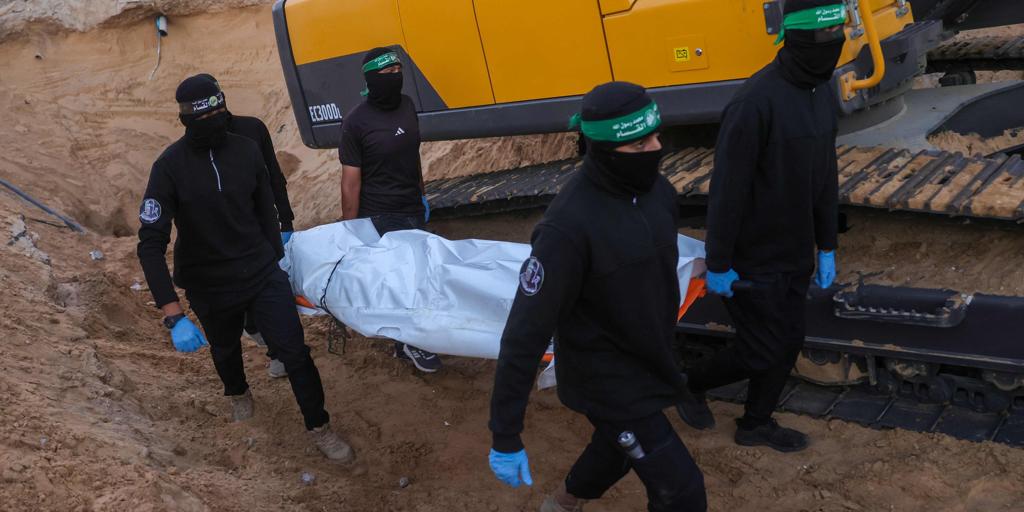
As Netanyahu scrambles to resume military operations in Gaza, the stakes grow even higher. The families of 59 hostages held by Hamas are left to wonder: does their homegrown leader care more for his job than their lives? In a bid to consolidate power, Netanyahu has made alarming moves such as firing his internal intelligence chief and controlling the appointment of judges to the Supreme Court, with plans to oust the State Attorney General who dares to criticize him. Gorenberg asserts, “He knows that he faces immediate threats to stay in office, and therefore takes desperate measures, beyond the cost in lives and the risk to Israeli democracy.”
The tension in Israel is palpable. Anti-aircraft alarms sound as missiles rain from Gaza, and anti-government protests roar back to life. Critics lambast budget approvals that prioritize state funding for settlers and ultra-orthodox groups who refuse military service. Their battle cry? “We’d rather die than serve!”
Netanyahu’s Political Survival at All Costs
The approval of annual budgets was crucial for Netanyahu; failure to pass them would spell doom for his administration and force a new election. This urgency led to a shaky coalition, particularly after right-wing radical Itamar Ben-Gvir defected, furious over Netanyahu’s ceasefire. In a backroom deal, Netanyahu promised to “resume war with force for total victory,” a decision hauntingly costing countless lives in Gaza.
Simultaneously, Netanyahu faces a growing challenge: military recruitment quotas. The ultra-orthodox community resists enlisting, leading the military to report that many soldiers refuse to serve under the current government’s broken promises.
Are Netanyahu’s Moves a Pretext for Totalitarianism?
Netanyahu’s long-term strategy is built on keeping multiple fronts open, ensuring he can pivot his agenda amidst the chaos. Ilana Gritzewsky, a recently released hostage, speaks out about her harrowing experiences at the hands of Hamas: “I cannot stay silent; I must shout for those who cannot. Every day without truce is a risk for them.”
However, Netanyahu’s office seems unmoved, allegedly orchestrating plans for a permanent occupation of Gaza amid ongoing investigations into his administration fueled by Qatargate. Former intelligence chief Tamir Pardo might not be far off when he states that the “War for Netanyahu’s well-being has begun.”
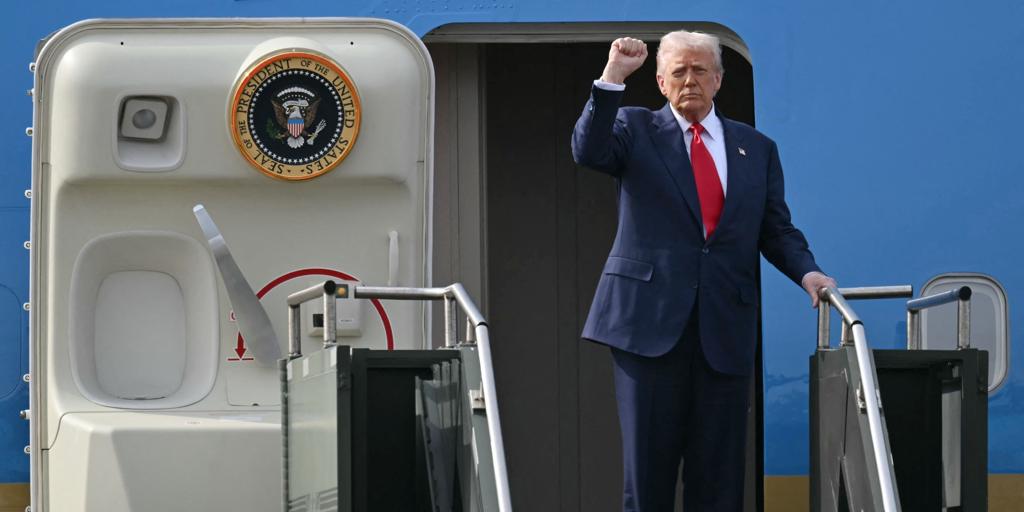
“In America and Israel, when a strong right-wing leader wins elections, the deep leftist state uses justice to break the popular will,” argues Netanyahu, who insists that he is the victim of a continuous witch hunt.
As the investigation digs deeper and momentum builds against him, one questions: will Netanyahu’s desperate measures to cling to power lead *Israel* down a path of division, corruption, and despair?
“`