
“`html
Tehran Under Siege: Security and Paranoia Skyrocket Amid Ongoing Conflict
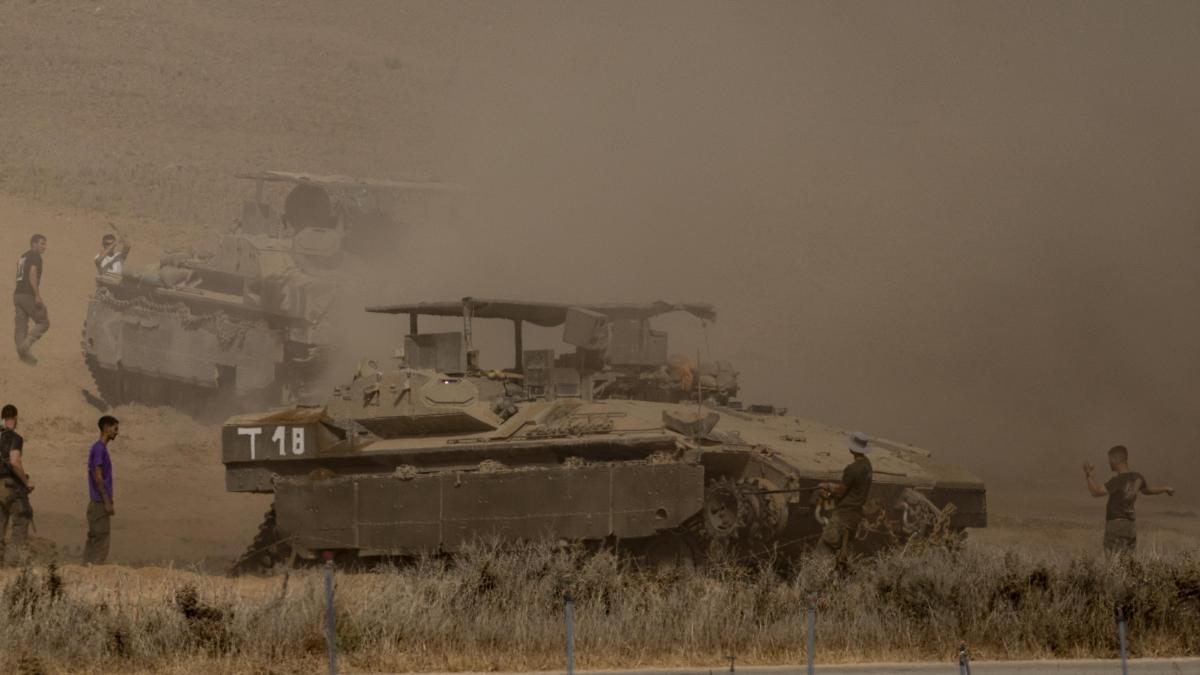
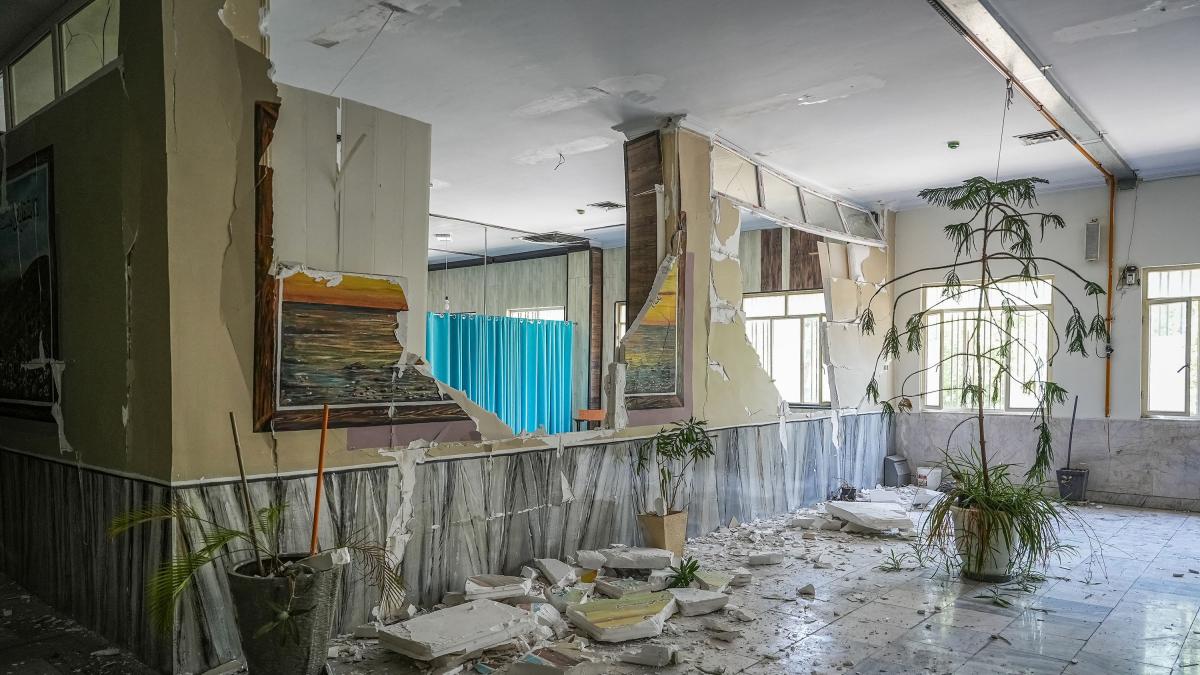
The situation in Tehran is rapidly spiraling out of control. As war rages, military and police presence is overwhelming the city. Streets are choked with armed men, manning checkpoints like something out of a dystopian nightmare. The once-bustling streets have turned into battlegrounds, with numerous authorities exerting their control over the few vehicles that dare to creep through.
Revolutionary Guards Targeting Ordinary Citizens
In a move that would alarm any freedom-loving individual, the Revolutionary Guard’s operatives are actively identifying and scrutinizing vehicles, searching for “supporters of Israel.” One musician, who goes by the name Amin, recounted,
“They are looking for people who believe they have supported Israel in this war.”
What happened to freedom of association?
These heavy-handed tactics, while not yet violent, ramp up the already palpable atmosphere of fear among Iranians. Those with international ties are particularly at risk, leading to a dramatic wave of paranoia that has gripped the nation. Innocent citizens are being targeted for **having foreign friends**, and the once vibrant society is now cowering behind closed doors, apprehensive of being labeled as spies.
Afghan Migrants Feeling the Heat
As if the situation couldn’t get any worse, Afghan migrants in Iran find themselves under even greater pressure. Millions of these individuals, who often take jobs shunned by locals, are facing ruthless crackdowns. Authorities are raiding their neighborhoods and sending them back home without a second thought, regardless of their tenuous ties to family. This humanitarian crisis is a direct consequence of a regime that prioritizes control over compassion.
Widespread Repression Creates a Climate of Fear
A young artist, Aash, shared his harrowing encounter with security forces, stating,
“They wanted to hint that I was a spy.”
It’s not just repression; it’s a **systematic effort to silence dissent** and maintain totalitarian control over the populace. This is not just a local tragedy; it reverberates through communities worldwide, calling into question the very essence of human rights.
The Economic Fallout of War
As Omid, a pet store owner, poignantly notes, the economic ramifications of this conflict are dire. “Today I reopened my warehouse after twelve days and saw prices skyrocket.” How long can a society survive under such relentless strain? The people of Tehran live in fear—not just of war but of a future without hope.
The Fight for Normalcy in Chaotic Times
Even amidst the chaos, ordinary Iranians like Mina, a barista, are trying to reclaim their daily lives. But every ignition of hope is met with the harsh reality of thunderous explosions that disrupt their scant moments of normality. “The intensity of the explosions is a constant reminder of their vulnerability.” It’s a stark juxtaposition—war-torn realities flanking fleeting attempts at normalcy.
Awaiting the Inevitable Resurgence of Conflict
As the city nervously anticipates the next escalation, many remain doubtful about peace. Ehsam, sharing a simple lemonade in an otherwise deserted café, doesn’t hold his breath for a ceasefire. Instead, he fears the repercussions of a false sense of security that could lead to even graver crises. Tehran’s struggle is a microcosm of a global narrative; a cautionary tale for those who value freedom and sovereignty.
“`