
“`html
Iran’s Defiance: No Surrender to U.S. and Israel
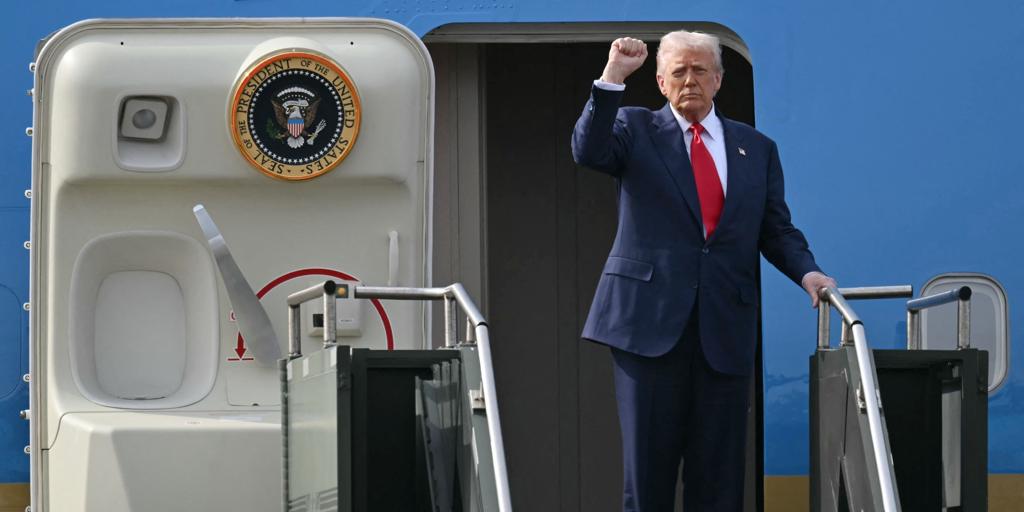
Iran continues to defy the United States and Israel with a brazen display of strength. The day following Donald Trump‘s declaration of “victory” in The Hague, the Ayatollahs’ regime demonstrated its defiance, promising to advance its Nuclear program—a program that Tehran insists is purely for peaceful purposes, despite growing skepticism from the global community.
The Iranian Parliament has just passed a law to cease cooperation with the International Atomic Energy Agency (IAEA), further isolating the country and demonstrating their unwillingness to submit to international oversight. Mohamad Baqer Qalibaf, the Parliament’s president, has asserted that until their nuclear safety is guaranteed, they will not cooperate with the agency that he accuses of siding with Israel.
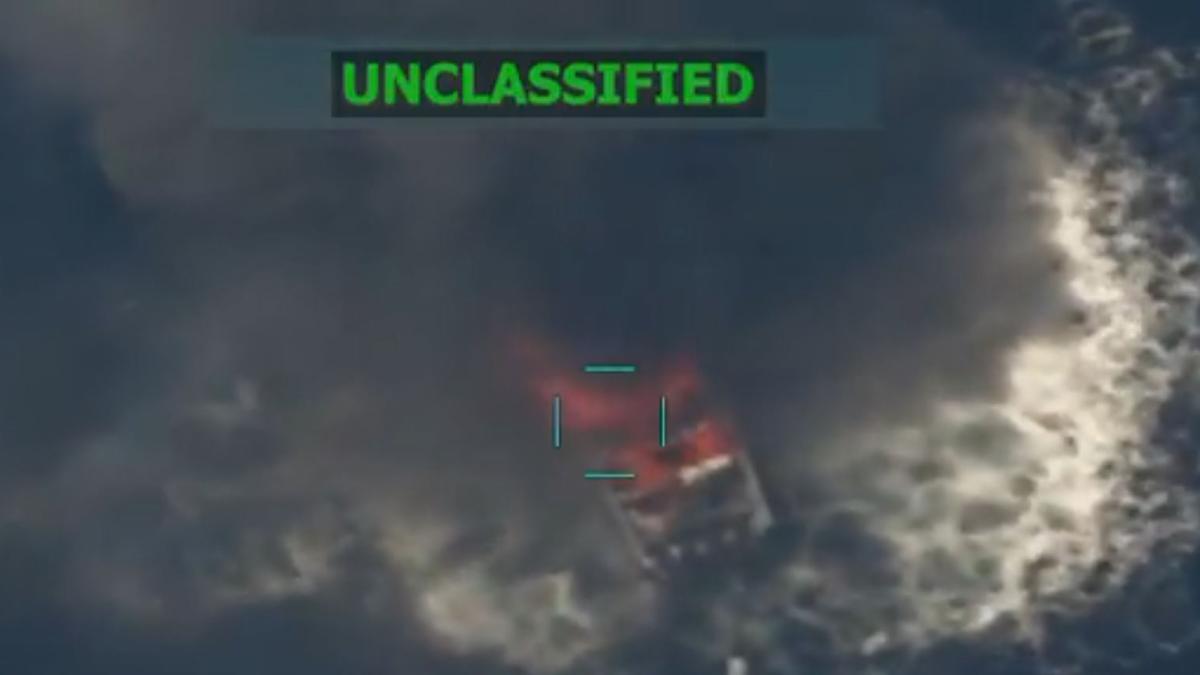
Tehran’s bold move comes in the wake of damaging attacks on their nuclear facilities, a direct result of U.S. military operations. In a statement that couldn’t be more clear, Baqer Qalibaf declared, “We will not cooperate with an agency that aids and abets our enemies.” This is a clear message: Iran will not be intimidated.
The Fallout of U.S. Strikes
Despite Trump touting the U.S. strikes as a “spectacular military success,” early reports indicate that Iran’s nuclear ambitions might only be delayed temporarily. Pete Hegseth, the Secretary of Defense, boldly proclaimed, “President Trump has decimated Iran’s nuclear capabilities,” a statement filled with bravado but lacking concrete evidence.
The confusion within the Iranian leadership is palpable. Ali Jameni criticized Trump for “exaggerating the events,” while in a stunning twist, his foreign minister later labeled the damage to their nuclear facilities as “considerable and serious.” How can such contradictions be taken seriously?
International Response and Implications
The head of the IAEA, Rafael Grossi, raised alarms about “huge damage” inflicted on Iran’s facilities. It’s clear that Tehran’s nuclear infrastructure is under serious threat. With the IAEA’s ability to monitor now suspended, we are entering a precarious moment in global security.
As talks between the U.S. and Iran loom, there is skepticism from Iranian officials. BayQeai warned that U.S. aggression has only fostered distrust. To Iran, securing its position is the priority, and if challenged, they’ve made it clear that “the cost for the enemy will undoubtedly be high.”
Global Reactions and Warnings
The Iranian Armed Forces have doubled down on their threats. Seyed Abdolrahim Musavi warned the U.S. that aggression will lead to consequences they will not be prepared for. There is no room for error here; Iran is prepared and looking ready to respond if they feel cornered.
This escalating conflict highlights a growing divide, not just between nations, but ideologically as well. The Atlantic Alliance is now viewed through a lens of conspiracy and deception, as Iranian officials claim their operational capabilities were “at the service of the aggressor.”
In summary, the tension stirred by Iran’s refusal to yield under pressure illustrates a critical turning point. With threats on both sides and accusations flying, one thing is certain: if you thought this saga was over, think again. Iran’s commitment to its nuclear ambitions remains unshakeable as they stand firm against the might of America and its allies.
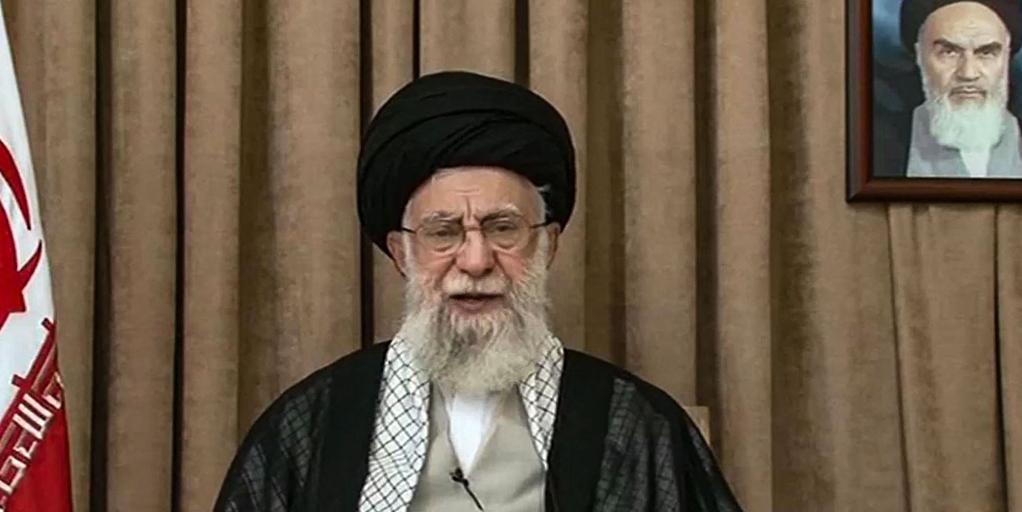
“The Islamic Republic won, and in response gave a hard slap to the United States,” declared Jamenei during a recent speech, firmly placing Iran’s position in this escalating showdown.
“`