
“`html
Argentina Takes Bold Steps Against Terror: Justice for AMIA Attackers
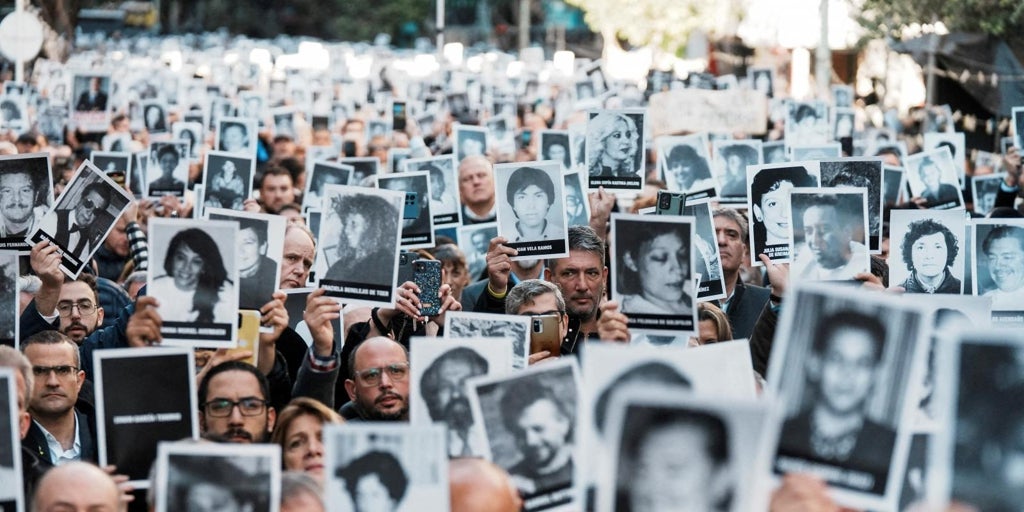
In a historic move, the Argentine Justice system has announced that the defendants of the notorious Argentine Mutual Association (AMIA) bombing will face trial in absentia. This catastrophic attack that rocked the heart of Buenos Aires 31 years ago claimed the lives of 85 innocent people and left over 150 wounded. This marks a turning point in the fight against terrorism and those who hide behind bureaucratic barriers!
Judge Daniel Rafecas has now paved the way for justice to be served, orchestrating an oral trial despite the defendants’ cowardly retreat from justice. These Iranian and Lebanese terrorists, who have evaded capture since 2006, are esteemed members of Hezbollah and Iranian governmental officials. It’s been far too long that these criminals have laughed in the face of justice!
The Defendants: Terrorists in Hiding
The list of these fugitives reads like a who’s who of international terror: Ali Fallahijan, Ali Akbar Velayati, Mohsen Rezai, and several more sinister names. They stand accused of doubly aggravated homicide due to their premeditated acts, which were driven by a dark agenda of racial and religious hatred. The penalties for such heinous crimes could reach up to 15 years in prison, making it clear that these terrorists cannot escape accountability forever!
The Argentine Government’s Resolution: This monumental ruling by the Argentine magistrate signifies that, finally, the wheels of justice are turning for the victims of one of the most egregious attacks in the nation’s history. For the first time, justice will be sought against absconding criminals—even when they hide far from Argentine soil and shun the rule of law.
“One of the main arguments in favor of judgments in absence is that they allow progress in justice, even when the defendant evades the criminal process.” – Judge Daniel Rafecas
Rafecas’s resolution goes deeper, revealing that serious international crimes often involve military or political leaders who possess the means to evade arrest in countries unwilling to cooperate. If we didn’t have this critical option of in absentia trials, many of these criminals could mock our laws and remain free, evading justice indefinitely!
The Implications of This Ruling
This landmark ruling will not apply to just any case, but specifically to those crimes recognized under the Rome Statute, including terrorist attacks and crimes against humanity. With Argentina’s failed extradition requests to Iran and Lebanon since 2006, it is imperative that we take a stand and ensure these terrorists are held accountable!
Lastly, as we look to the future, the direction taken by the Argentine Supreme Court indicates a willingness to confront the tyranny of terrorism. The judiciary is not just a passive observer in this fight; it is taking an active role in serving justice for its citizens.
This gripping saga continues to unfold, but rest assured, justice will prevail for the victims of the AMIA attack and the memory of those lost. The reluctance of the Iranian regime to cooperate does not diminish our resolve. Argentina is standing firm!
Stay tuned as more developments unfold!
“`