

“`html
Shocking Resignation: UK Minister Quits Over Defense Spending Cuts!
In a dramatic turn of events, Annnelies Dodds, who until recently was the Secretary of State for International Development in the United Kingdom, has resigned from her post in the Keir Starmer government. The catalyst? A jaw-dropping decision to slash the international aid budget nearly in half to funnel more money into defense spending. This resignation sends shockwaves through the Labor Party and highlights a growing divide within their ranks!
Government Priorities Shift: Defense Over Aid
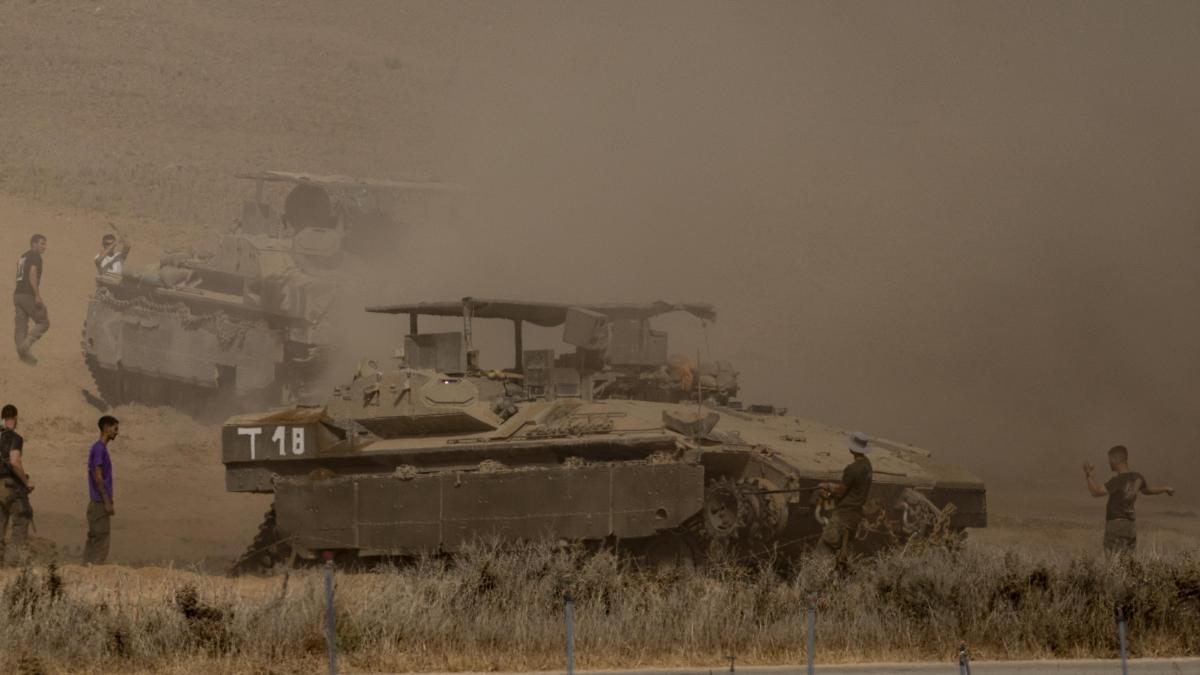
This resignation unfolds amidst a backdrop of significant governmental changes. Under Starmer, the UK has dramatically slashed foreign assistance from 0.56% to 0.3% of GDP—a move that will leave countless nations in crisis. This drastic cut isn’t just numbers; it reflects a disturbing trend towards prioritizing military aggression, aiming to hike military spending up to 2.5% of GDP by 2027, with plans to hit 3% in subsequent years!
Despite Dodds’ acknowledgment that times demand tough decisions for national security, she raises a crucial alarm—the significant cuts could severely hamper the UK’s global influence and tarnish its moral standing on the world stage. Is the price of security worth sacrificing our international obligations?
Cutting Aid: A Threat to Global Stability
In her hard-hitting resignation letter, Dodds makes it crystal clear where she stands. She links the cuts to a collapse of the post-WWII global order, citing dire threats from Russia’s aggressive foreign policy and China’s attempts to reshape international norms. “Undoubtedly, the global order has collapsed. We must increase defense spending, but not at this cost!” she proclaimed.
- Loss of Influence: Dodds fears the cuts will isolate the UK from critical international projects and institutions.
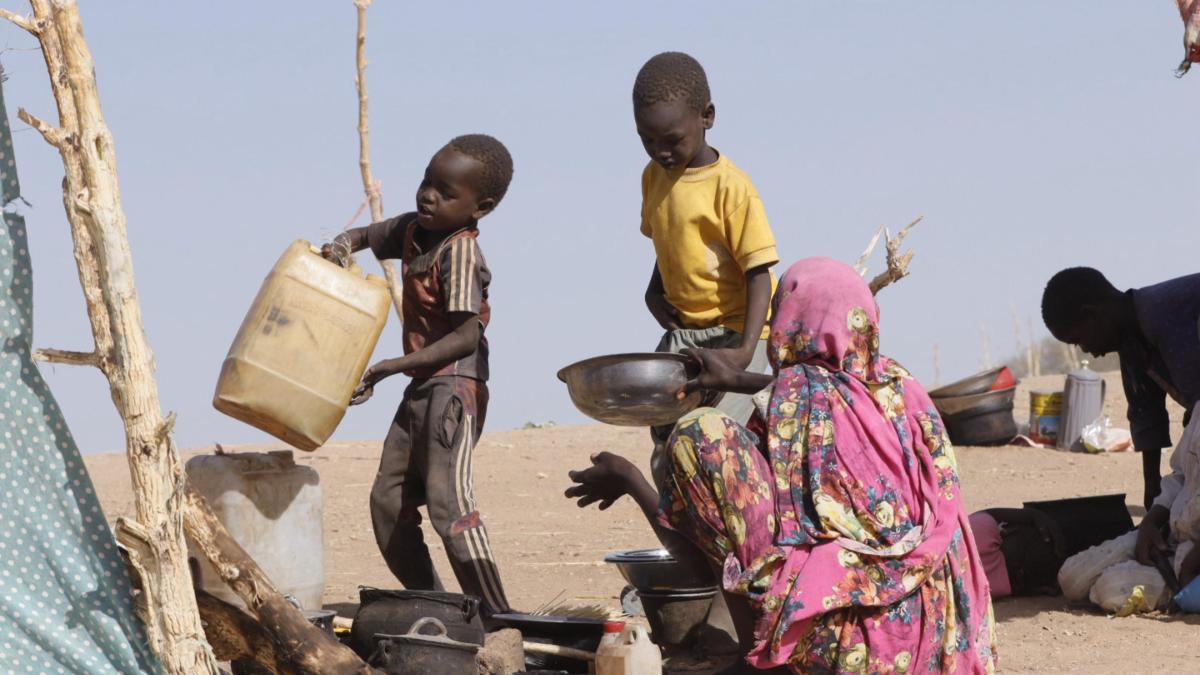
- Global Neglect: Withdrawing support could plunge vulnerable regions like Africa and the Caribbean into chaos.
- Multi-lateral Compromise: A diminished UK role in elite organizations like the World Bank or G7 could erode its voice in global negotiations.
She’s not pulling any punches, declaring, “Ultimately, these cuts will eliminate food and medical care from desperate people, deeply damaging the reputation of the United Kingdom.” This is a manifesto reminding us of the moral obligations we have to help those in need around the world.
A Parting Shot: The Internal Struggle of the Labor Party
This resignation isn’t just a political event—it’s a missive directly aimed at the heart of the Labor Party’s ideological shift. Starmer’s decision to prioritize defense at the expense of aid illustrates a decisive break from the previous leadership of Jeremy Corbyn, who staunchly advocated for increased international assistance. Where does the Labor Party stand now?
Dodds, whose close ties with the Corbyn administration make her resignation even more poignant, is clearly disappointed by Starmer’s pragmatic yet contentious approach. Despite her departure, she suggests a willingness to support Starmer on other fronts, stating, “I remain proud of your achievements, but we must rethink this approach for a more balanced national and global responsibility.”
“The shameful and cynical actions of the Labor Party dishonor their reputation while balancing the accounts at the expense of the poorest in the world.” – Andrew Mitchell, former Minister of International Development
As we reflect on Dodds’ bold move, it’s evident that the internal struggle within the Labor Party is set to escalate. Starmer faces an uphill battle attempting to court both the centrist and left factions, while his increasing military focus raises ethical questions amidst a global crisis. This pivotal moment may redefine how the UK acts on the world stage going forward. Will Starmer strike a balance, or will he continue to sacrifice foreign aid on the altar of military might?
The clock is ticking. The question looms large: Can we afford to ignore our global commitments for temporary security gains or will the UK step up to reclaim its role as a beacon of hope and aid in these troubled times?
“`