

“`html
The Truth About Israel’s Humanitarian Aid Cuts
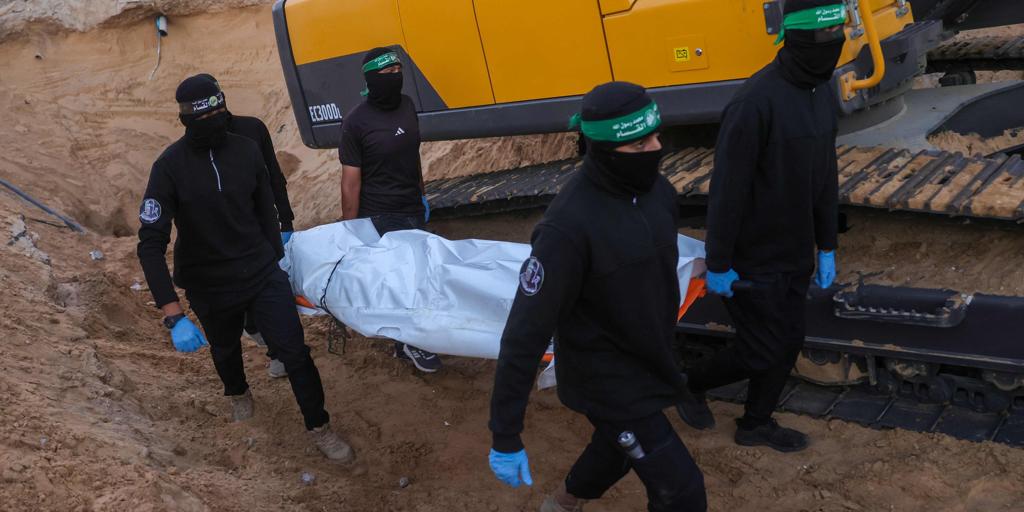
If everything had gone according to plan last December, we would be discussing the next phase of peace negotiations between Israel and Hamas. But what happens when you mix politics with a terrorist organization? That’s right, chaos. Hamas has shown its true colors once again, rejecting the agreements and putting its hostages at risk while playing the victim card.
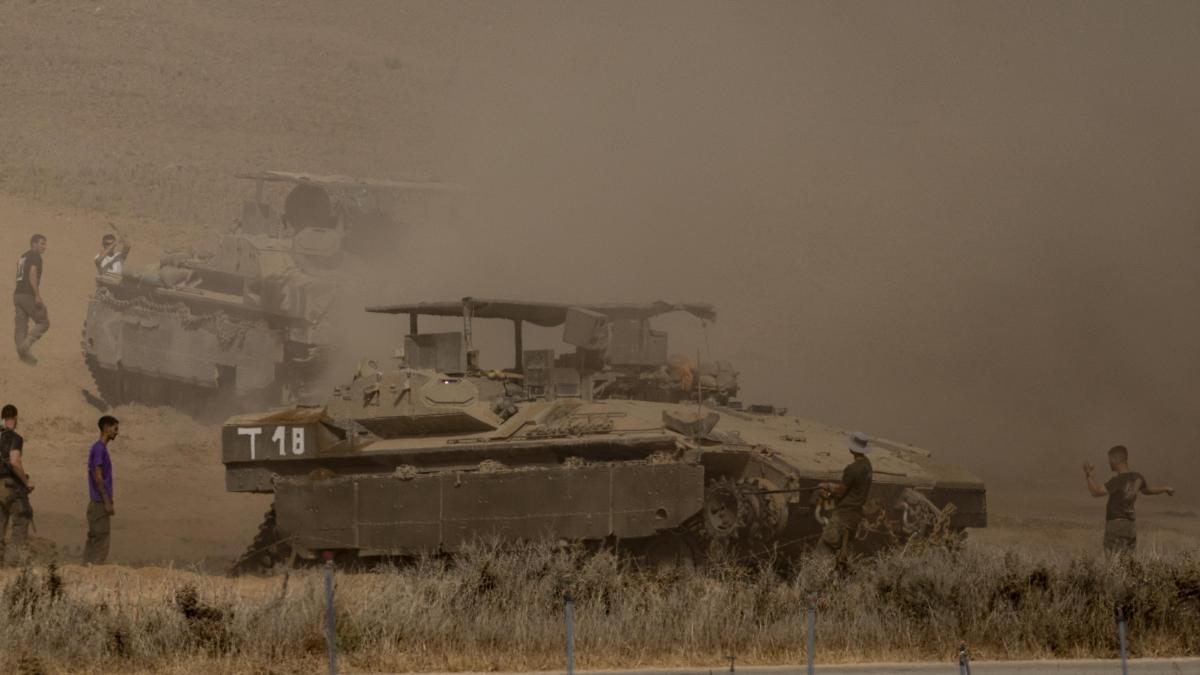
Just yesterday, under the leadership of Prime Minister Benjamín Netanyahu, Israel announced a halt to humanitarian aid to the Gaza Strip. In a bold move, Netanyahu declared, “there will be no free food,” reminding the world that Israel will not be held hostage by terroristic threats. The Israeli government stated, “As of this morning, we will cease any entry of goods and supplies to Gaza,” highlighting their firm stance against Hamas’s attempts at extortion.
“Hamas accused Israel of destroying the peace agreement just hours after its initial phase ended. What an outrageous accusation!”
The reality is that Hamas is angry because they failed to manipulate the hostage negotiations in their favor. They rejected the proposal from U.S. envoy Steve Witkoff, which would have led to the release of numerous hostages, accusing Israel of flouting the initial agreement. They called the cessation of aid a “war crime,” but the fact is, every delay in negotiations puts innocent lives at risk.
Hostages Used as Pawns by Hamas
Desperate for leverage, Hamas conveniently ignores the fact that they are the ones holding hostages. They demand that the second phase of the truce agreement be applied without any guarantees from their side. Their threats of “humanitarian consequences” merely highlight their malicious strategy to use hostages as bargaining chips.
Time is running out for Hamas. They had over a month to initiate discussions for the second phase of the agreement, yet they failed to act. Instead, they resorted to threats and propaganda, all while Israel has been laser-focused on protecting its people and securing a lasting peace.
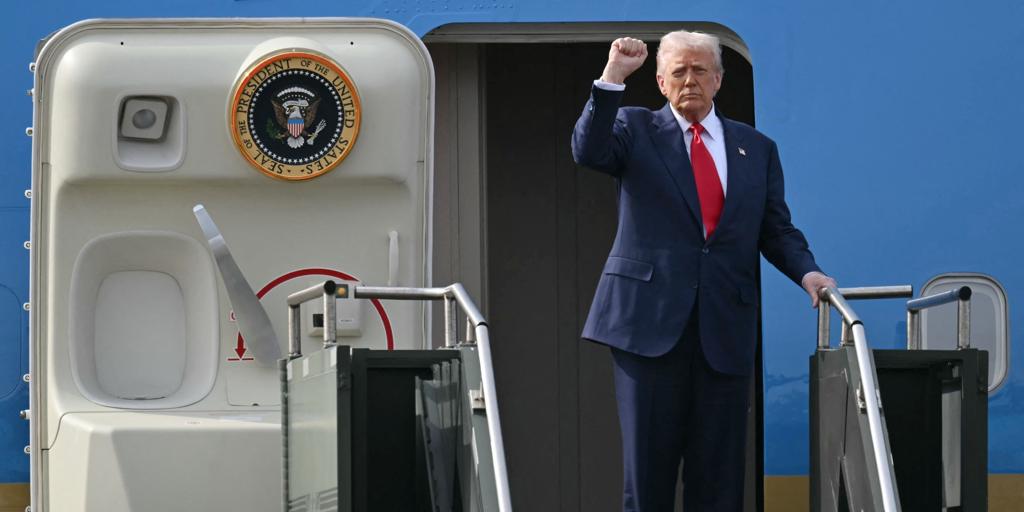
With pressure from the Biden administration in the previous months, Israel was forced to relax its siege on Gaza. But now, with America back in the capable hands of Donald Trump, Netanyahu’s government feels more empowered than ever. A spokesperson noted, “Israel is fully coordinated with the Trump administration,” signaling a strong alliance against Hamas.
Leading humanitarian organizations like Doctors Without Borders (MSF) have decried Israel’s decision to block Gaza aid. But what they fail to recognize is that allowing aid to flow unchecked could bolster terrorism. As Caroline Seguin, MSF’s Emergency Coordinator, stated, “Help should never be used as a war tool,” but Hamas is the one exploiting humanitarian crises for their own gain.
The Phased Agreement: A Necessary Approach
The initial ceasefire agreement was meticulously structured into three phases, each lasting 42 days. During the first phase, 25 hostages were released in exchange for about 1,800 Palestinian prisoners. Yet, Hamas’s continuous defiance has thrown the future of this agreement into jeopardy.
If Hamas had any genuine interest in peace, they would comply with the proposed second phase—releasing the remaining hostages in exchange for a handful of Palestinian prisoners. Instead, they insist on leveraging the tragic situation for their political agenda.
It’s time for the international community to recognize that a stable and peaceful Middle East requires a firm stance against terrorism. Egypt’s Foreign Minister emphasizes the importance of fully implementing the ceasefire, but history shows that unilateral concessions often lead to more violence.
As we stand on the brink of potential peace, it’s clear that Israel – backed by the USA – must remain vigilant and steadfast. Only then can the region embark on a path toward genuine reconstruction and peace.
Source link
“`