
“`html
The Rise of the Ultra-Right: A New Era in Germany’s Bundestag
The horrific implications of Germany’s choices are becoming clear as the parliament emerges from chaos following the February 23 elections. With the ultra-right Alternative for Germany (AfD) cementing its status as the second parliamentary force, we stand on the precipice of a dramatic political shift. Brace yourselves, because this legislature promises confrontation and controversy unlike anything we’ve seen before.
Political Maneuverings and Power Plays
In a move that reeks of backroom dealings, the federal president, Frank-Walter Steinmeier, has the outgoing Social Democrat Olaf Scholz continue in his role until the upcoming coalition government is formed. This clearly indicates political maneuvering to prop up the failing Social Democrat Party (SPD) as they scramble to negotiate a coalition with the conservative CDU/CSU block led by the newly-elected Friedrich Merz. The clock is ticking, with a coalition contract aimed for completion by April 14 – just in time to distract from the reality of their political failures.
New Leadership Promises More Decency?
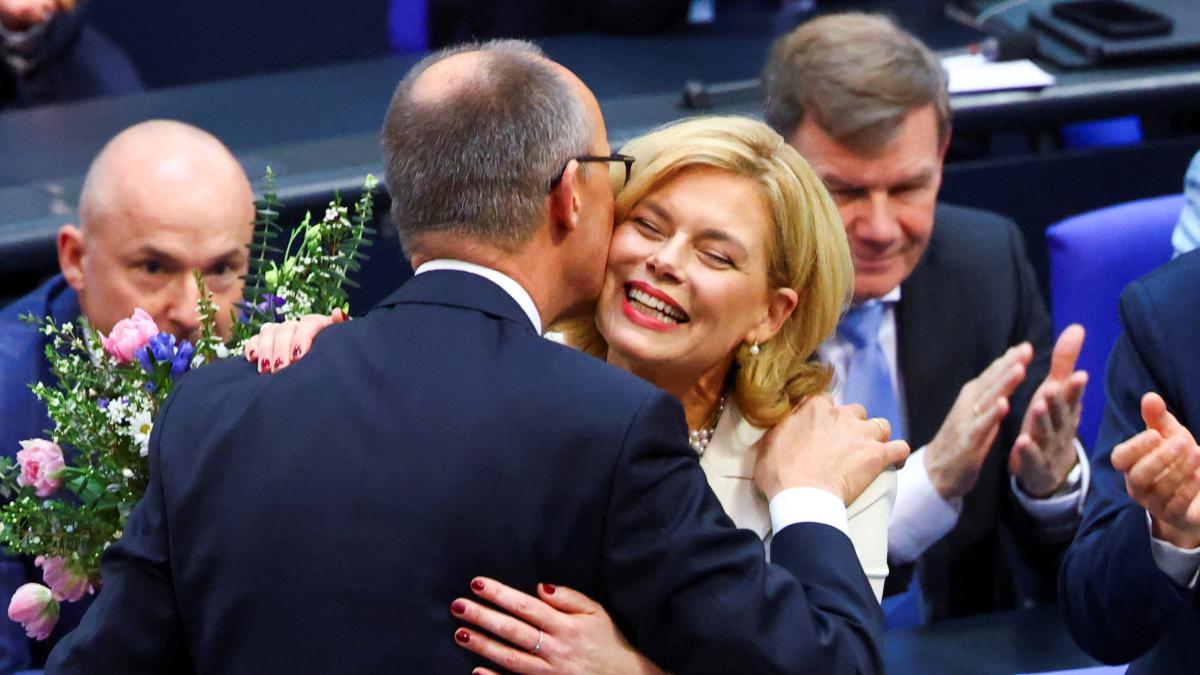
The Bundestag has chosen its president, Julia Klöckner of CDU, but her promise to maintain “decency” in the chamber is under serious question. How can we trust a system so clouded by infighting and hypocrisy? The extreme right, represented by the AfD, continues to challenge the status quo, with Klöckner’s assurances sounding more like empty rhetoric than a call for real decorum.
“There is a very clear measure for me: decency,” she declared, but can anyone take such statements seriously in these troubling times?
Unraveling the Numbers
With the Bundestag now consisting of five parliamentary groups, the AfD continues their struggle for respect in a system that shuns them at every turn. Despite holding 152 out of 630 seats, their candidate for vice presidency was brushed aside yet again. This raises questions:
- What does this say about German politics and its unwillingness to embrace the will of the people?
- Are we witnessing a concerted effort to stifle the voice of the right?
- How long will the establishment continue to deny the growing influence of the AfD?
Germany’s Gender Pay Gap in Politics
In a surprising turn of events, the percentage of women in the Bundestag has dropped from 35.7% to a meager 32.4%. The rise of conservative parties and the ultra-right AfD could be blamed for this decline, but let’s not forget the alarming trend—it mirrors a larger issue in political representation across the globe. Can our leaders truly claim to care about the people when they fail to include women in their ranks?
Conclusion: A Nation at a Crossroads
The Bundestag, filled with both tension and uncertainty, reflects a divided Germany—the looming conflict between traditional parties and the surging right is undeniable. As Friedrich Merz prepares to take the helm, one must ask: will he guide Germany towards a brighter future or plunge it deeper into political chaos? The choices we make now will resonate for generations to come.
Stay vigilant, because the wave of ultra-right politics is just beginning—as we navigate this unnerving landscape, one thing is clear: the battle for Germany’s future is far from over.
“`