
“`html
Discovering the Lost Identity: The Struggle of the Berbers in Morocco
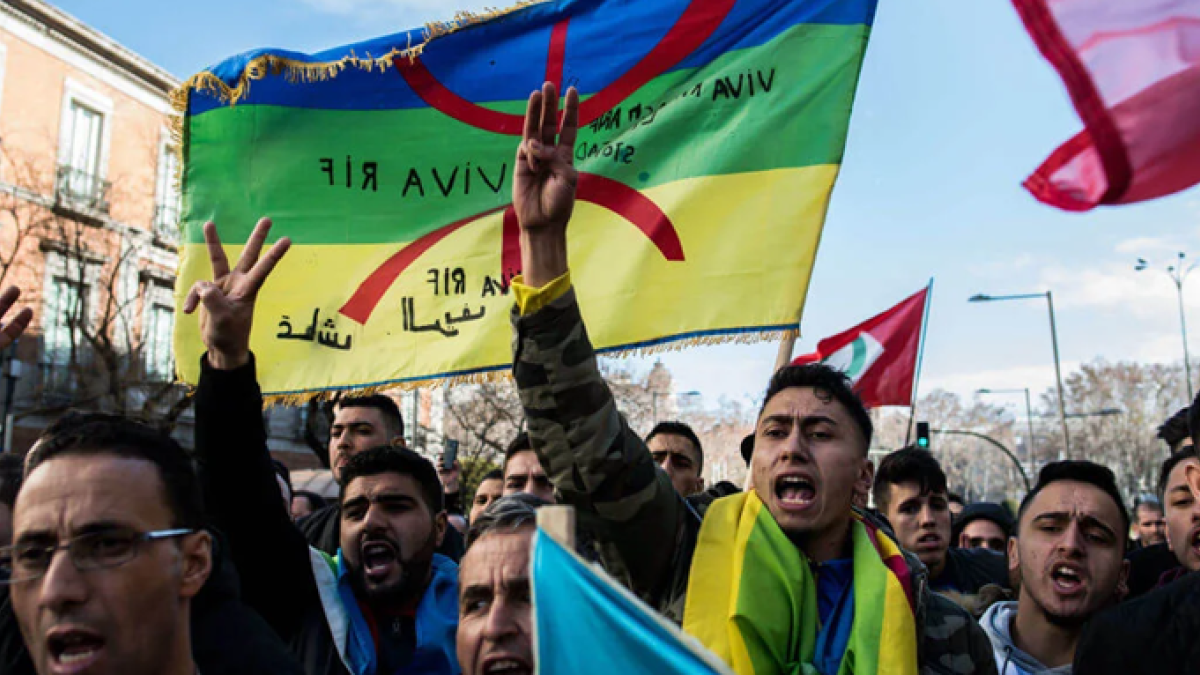
In an era where political correctness reigns supreme, the brave heritage and history of the Berber peoples in Morocco is **tragically overlooked**. This story begins between the years of 1921 and 1926, a brief window when the Republic of the Rif dared to exist under the Spanish Protectorate. Meanwhile, the Dahir Berber, which ruled from 1930 to 1934, represents a mere blip in the long narrative of oppression faced by the Berber population.
The Erasure of Native Identity
Both colonizers and mainstream Moroccan nationalism have worked tirelessly to obliterate the uniqueness of Berber culture. This tragic fate is not only evident in the North African landscape but extends even to communities in the Canary Islands, where remnants of Berber ancestry are found only in the DNA of a few individuals.
Islamic Identity vs. Berber Heritage
The Alauí dynasty saw Islam as the core of Moroccan national identity, however, this posed a significant setback for the Berbers. The French protectorate interfered with the Sultan’s authority, especially with Sultan Mohamed V being denied the ability to apply Islamic law to sections of his subjects.
“The French protectorate has tried to break, by various means, the unity of the Moroccan people.”
A New Era of Nationalism?
As Moroccan troops valiantly fought alongside the Allies during World War II, a profound sense of nationalism emerged. This was catalyzed by the birth of the Istiqlal party in 1943, representing a significant shift in the quest for independence. However, what was touted as a unifying movement failed to address the needs and rights of the Berber identity.
The Manifesto: A Call to Arms
“Morocco has always been a free and sovereign state that retained its independence for thirteen centuries.”
The manifesto released in 1944 is a stark reminder of the struggle for autonomy and identity. It laid bare the claims that Morocco should stand united under the **leadership of the Sultan**, sidelining any acknowledgment of Berber rights.
The Turning Point for Moroccan Sovereignty
The **self-determination of the Berber peoples** is not merely a historical footnote; it is a call to action for the modern era. As the French authorities attempted to stifle this independence movement, the Berbers were swept back into the shadows of history yet again.
Considering this legacy, it becomes evident that the fight for cultural recognition and political rights remains as urgent as ever. It is time for the Berber peoples to reclaim their rightful place at the table of Morocco’s future, and not just be considered a **minority** in their homeland.
“`