
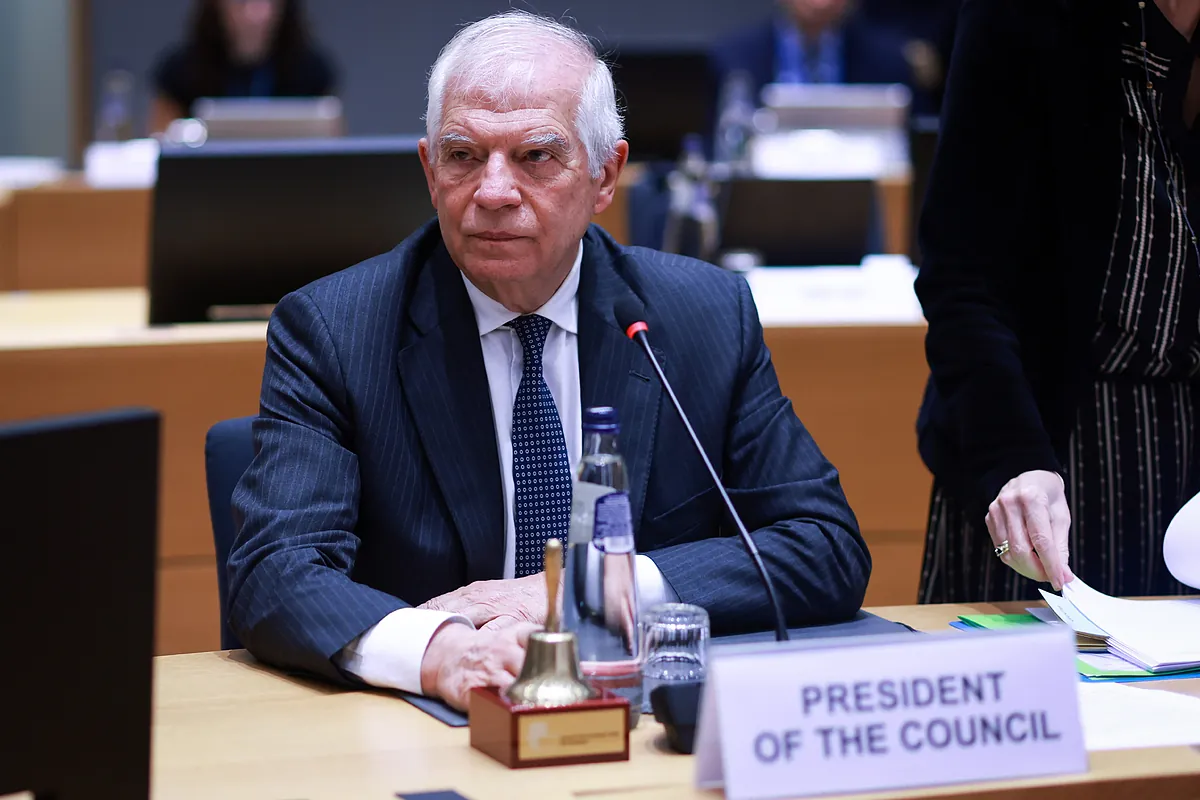
Josep Borrell, the soon-to-be former High Representative of the European Union for Foreign Affairs, has not held back in his final days in office. As he prepares to depart from his significant role on December 28, Borrell delivered a staggering condemnation against Israel, accusing it of waging a ruthless war against innocents.
“70% of those killed in Gaza are women and children under nine years of age,” Borrell exclaimed during a press conference after what is likely his last Foreign Affairs Council meeting in Brussels. With these powerful words, he urged member states to halt political dialogue with Israel, a gesture that he hoped would mark a pivotal political stance. However, he anticipated the initiative would face resistance, admitting, “The majority of member states consider that it is much better to continue having diplomatic and political relations with Israel.” His proposal, though visionary, was brushed aside amidst the ongoing diplomatic complexities.
The Weight of Words: Diplomatic Fallout
Borrell’s indictments against Israel didn’t emerge in a vacuum. They follow months of critical observations aimed at both Israel and its Prime Minister, Benjamin Netanyahu. Just last October, he cast a harsh light on Netanyahu’s policies, asserting that the Prime Minister was fostering an environment ripe for international conflict while simultaneously crippling humanitarian efforts into Gaza.
“I have seen the humanitarian aid that Israel does not let in. Netanyahu can’t continue to claim that they are the most moral army in the world, providing 3000 calories per day to every Palestinian in Gaza,” Borrell stated, a rhetoric underscoring the immense humanitarian crisis unraveling in the region. His emotionally charged claims resonate with the increasing scrutiny of international response to humanitarian violations.
The Broader Narrative of Conflict
The Gaza-Israel conflict stems from a historical narrative layered with decades of violence and geopolitical ramifications. According to reports, the number of Gazans killed in the ongoing 2023-2024 war exceeds 37,000, posing a staggering contrast against the death toll from previous conflicts. The escalation reached a boiling point on October 7, 2023, when Palestinian militants launched a devastating attack against Israel, igniting a fierce and bloody response from Israeli forces that saw bombings and military campaigns targeting Gaza.
The rising death toll amidst such violence necessitates a broader discussion about the obligations of international entities such as the EU and the role of political figures like Borrell in advocating for human rights and lasting peace. His remarks dovetail with calls to reassess the EU’s current diplomatic posture towards Israel, emphasizing a shift towards a more assertive stance based on humanitarian needs.
The Political Landscape: Stalemate and Sarcasm
In his recent statements, Borrell didn’t shy away from highlighting the absurdity of the current geopolitical stalemate, especially as tensions escalate beyond the Israel-Palestine dynamic to include ramifications affecting the entire European continent. In a more sarcastic tone, he referred to the situation in Ukraine, underlining how the global community continues to grapple with multiple simultaneous crises. He remarked, “The Biden administration has allowed missiles to penetrate up to 300 kilometers into Russian soil. Less is nothing, but it is not a spectacular distance,” questioning the adequacy of military aid given to Ukraine against the backdrop of real-time warfare.
A Call to Action: The Urgency of Intervention
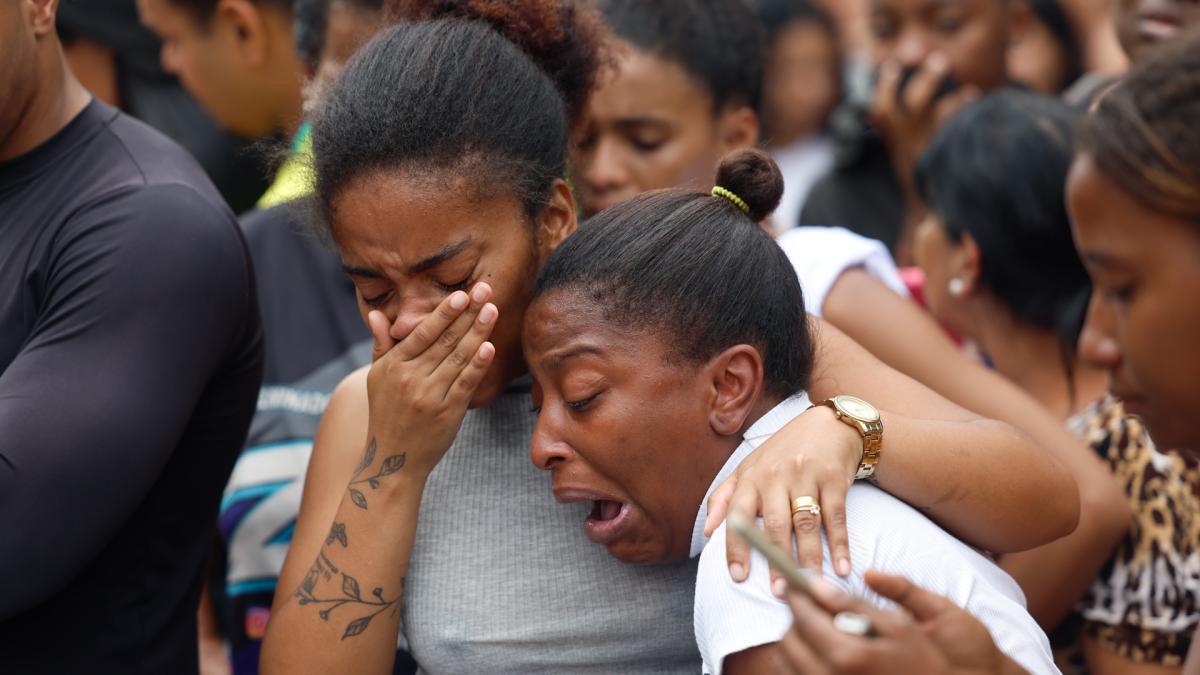
The plight of innocent children and families in Gaza should compel European leaders to reconsider their passive stance towards Israel. Even as Borrell’s tenure approaches its conclusion, his repeated calls for action are intended to resonate not only with diplomatic peers but also with the public consciousness that is growing increasingly aware of the humanitarian catastrophes occurring globally.
“Without Iran, without China and without North Korea, Russia could not continue the war,” Borrell noted, painting a picture where interconnected geopolitical dynamics complicate the path toward resolution. This reality demands an amplified response from the EU, urging members to advocate for peace amidst chaos and confront any regime that fosters violence against civilians.
Borrell’s direct confrontation of Israel and the drawing of an indelible link between humanitarian crises and political inaction are pivotal themes as Europe stands at the precipice of a new chapter in its foreign policy. The urgency of intervention cannot be overstated; as Borrell prepares to step away, the question of future leadership looms large on the horizon.
Conclusion: A Legacy of Advocacy
As Borrell steps down, he leaves behind a legacy fraught with challenges—a testament to the complicated tapestry of international relations where the human cost bears heavily on the decisions made in silence. His unyielding critiques serve as a rallying cry for global citizens to demand accountability and compassion in the face of one of the world’s most contentious conflicts.