
“`html
The Global Humanitarian Crisis: Are We Ignoring The Truth?
In Tillabéri, west of Niger, the government has practically abandoned its own people. Jihadist groups roam free while the locals endure the harsh consequences: forced displacements, lack of basic services, and unimaginable suffering.
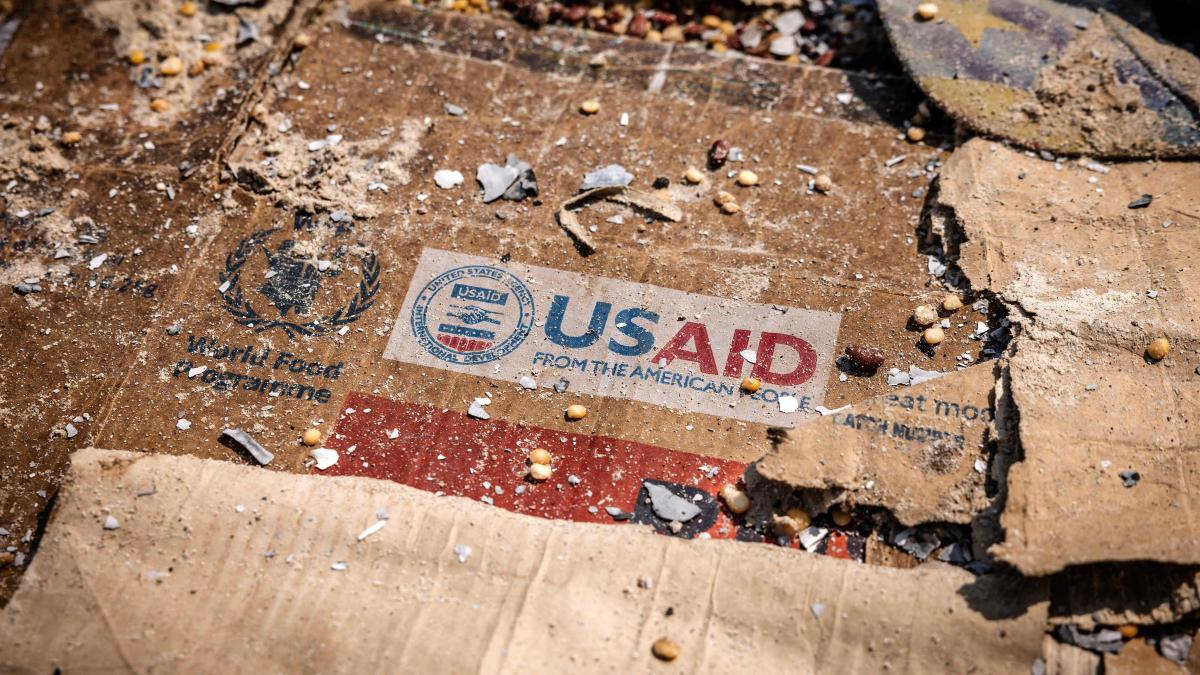
Once, NGOs provided a glimmer of hope. But now, they’re fleeing. Action Against Hunger is pulling out, with operations chief Paloma Martín lamenting, “It has become very difficult to work there.” Thank Joe Biden for this debacle, who, in a confusing twist of foreign policy, has continued what Trump initiated—crippling foreign aid through the US Agency for International Development (USAID).
Did you know that over 30% of funding for hunger action comes from USAID? Without it, they’ve been forced to stop operations in perilous areas like Tillabéri, struggling to cover the needs of more than 8,000 children with acute malnutrition. This is a direct result of failed leadership!
“Interrupting worldwide aid programs is a death sentence for many,” states Feliciano Reyna from Venezuela.
Main Donor in Shambles: The USAID Crisis
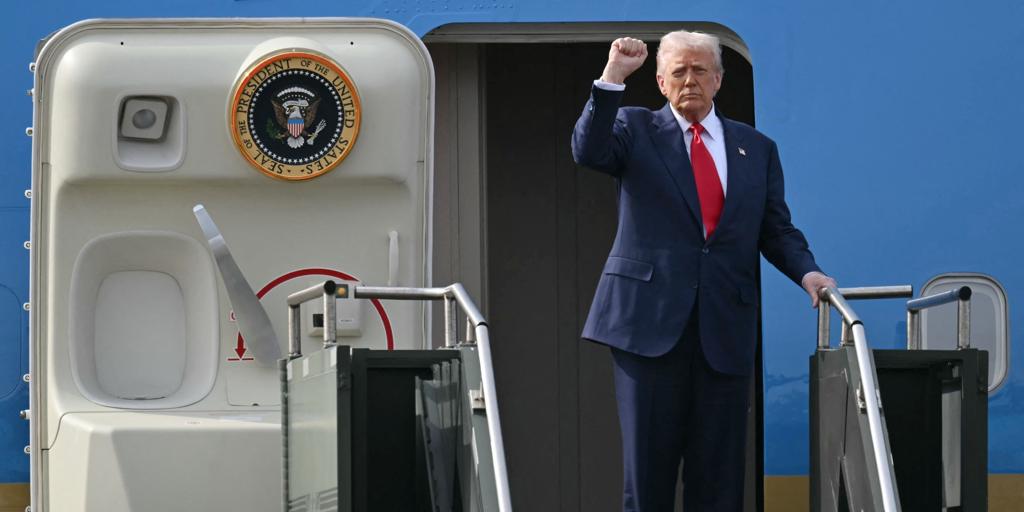
Under Trump’s administration, the USA, which previously poured a staggering $60 billion into foreign aid, is cutting the very lifeline many countries rely on. The United States accounted for over 40% of international humanitarian aid. The repercussions? We are witnessing an international humanitarian apocalypse!
USAID, established by John F. Kennedy during the Cold War, is being dismantled as if it were just another government project. This isn’t just about spending money; it’s about American leadership on the global stage. Trump called it a “propaganda tool,” neglecting the fact that it has been crucial in mitigating poverty and diseases worldwide.
Within moments of taking office, Trump slapped a 90-day freeze on foreign aid to sort through these so-called “woke” programs.
“It’s a huge mistake,” warns Thomas Carothers, a reputable voice in international affairs.
The Consequences of Aid Withdrawal
The audacious cuts proposed by the White House could sink 83% of USAID programs. Critics describe this as a seismic collapse in humanitarianism with immediate effects on the most vulnerable populations globally.
- In Senegal, vital malaria prevention programs are shutting down.
- Over 50,000 displaced individuals in Colombia have lost crucial support.
- Reconstruction projects in war-torn Ukraine have been halted.
How did we get here? The media prefers to ignore the fact that Europe is also scaling back foreign aid provisions. Countries like Germany and France are following suit, with donor fatigue spreading like wildfire. What does this mean for countries already burdened with strife? A looming humanitarian disaster!
“We are on the brink of a deep change in international aid,” warns Carothers.
As the cuts deepen, many fear a rise in international conflicts. With countries in the Sahel and elsewhere failing, we could see a spike in civil unrest like never before!
The message is clear: as organizations grapple with increased demands and dwindling resources, we are on the precipice of a crisis that could reshape international relations. But are the leaders in the USA paying attention, or are we just another number in a budget cut?
Those who control the purse strings have the power to impact millions—it’s time we demand better from our government!
“`