


“`html
European Leaders Face Crisis in Copenhagen: Will They Stand Up to Russian Aggression?
European leaders are heading to Copenhagen this Wednesday, but they will find a fortified Denmark on high alert, all thanks to a troubling series of mysterious incursions. A German frigate armed with anti-aircraft missiles stands ready as rumors swirl about the Danish government possibly calling in reservists. This isn’t just an informal summit—it’s a critical moment where they must confront the alarming reality of what happens when Russian drones dare to cross EU borders.
“What will we do when a Russian warplane challenges our airspace?”
Ursula von der Leyen, the president of the European Commission and former German Defense Minister, is pushing an audacious agenda centered on military readiness. Her provocative proposal to establish an ‘anti-Didish wall’—a cutting-edge defense system against hostile incursions—has caught the attention of many. Defense ministers from Eastern border countries are flocking together, keen to explore this innovative defense strategy and secure funding from the Commission.
A Dangerous Question for European Security
As discussions move forward, the challenge of defining how to respond to violations of European airspace looms large. The potential for incidents escalating into outright warfare hangs heavily over these discussions. The implications of such actions could pull the entire EU into conflict, and they are not facing this peril alone. Ukraine, having developed groundbreaking military tech through its ongoing struggle, remains an essential partner in this security initiative.
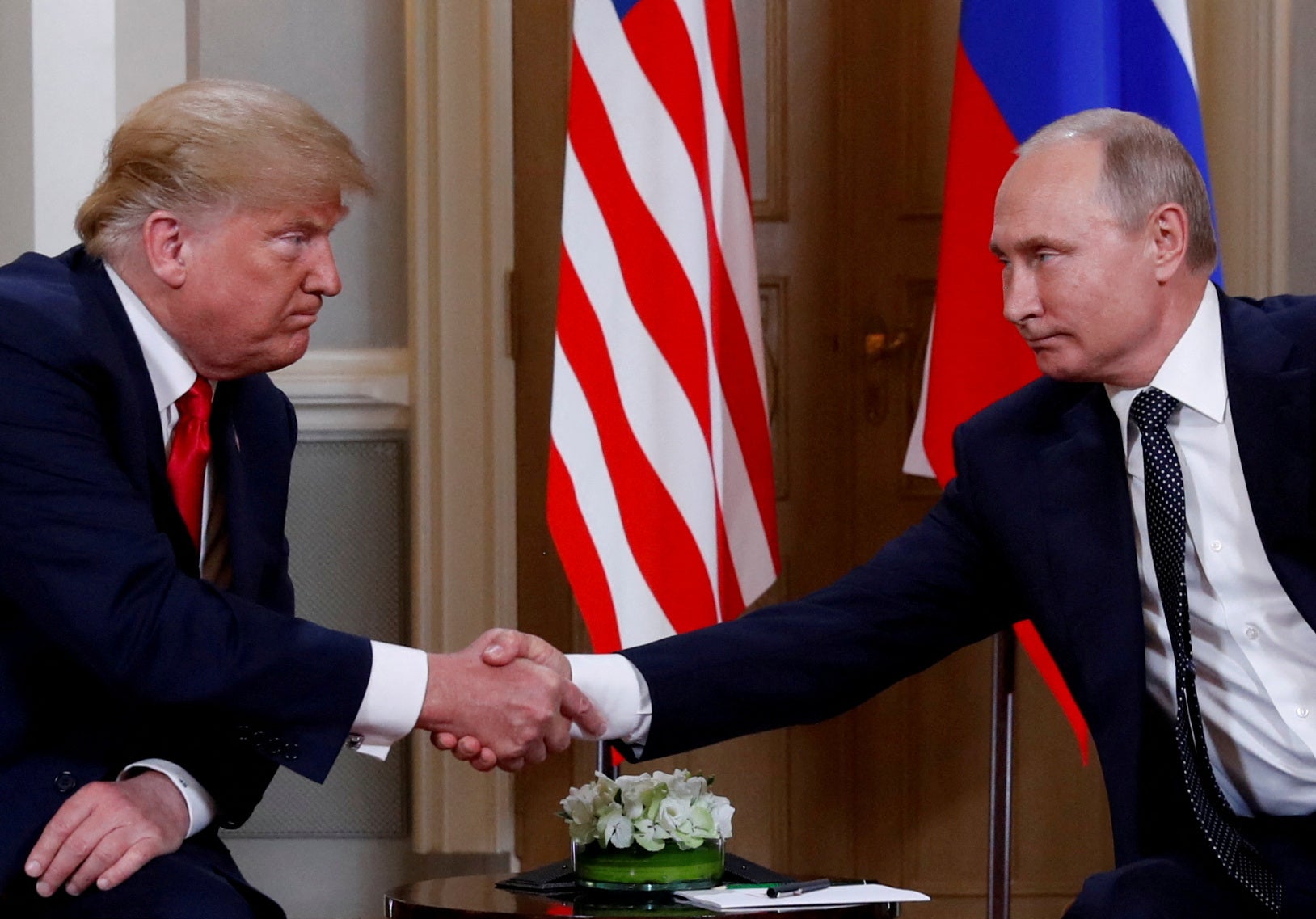
Interestingly, this meeting follows a whirlwind of events, including the unexpected Alaska meeting between Trump and Putin, followed by frantic efforts from European leaders rushing to Washington to solidify their stance against a potential deal that sidelines Ukrainian interests. When they gather again in Brussels at the month’s end, it will be under the pressure of needing actual solutions for reinforcing defense measures and allocating funds to Ukraine, all while Trump’s trust in Putin appears to falter.
“The Kremlin has consistently been the villain in this narrative, as evidenced by 19 sanction packages aimed to weaken their grip.”
Across Europe, the consensus is clear: the Kremlin is the chief instigator of this crisis. Rafael Loss, a keen analyst at the European Foreign Affairs Council, highlights the crucial balance European nations must strike against an increasingly reckless Russian leadership. Yet, with the US’s role in question, will there be enough support to tackle this existential threat?
Poland Takes a Stand
Many eyes are on Poland, which has boldly declared its intent to shoot down any Russian aircraft entering its airspace. This is a nation that has not only ramped up its military spending but is also equipped with the latest and greatest defense technology. However, Germany’s Defense Minister, Boris Pistorius, cautions against provoking a wider conflict, urging unity and cooperation instead of impulsive military action.
Will the EU finally have the courage to stand firm, or will they slip back into procrastination, deferring any decisions on this pressing issue once again? Defense Commissioner Andrius Kubilius even suggested that a year down the line, maybe an ‘anti-Didish wall’ might be in place—too little, too late?
“`




Leave a Reply