
Five People Injured in Dire Missile Attack!
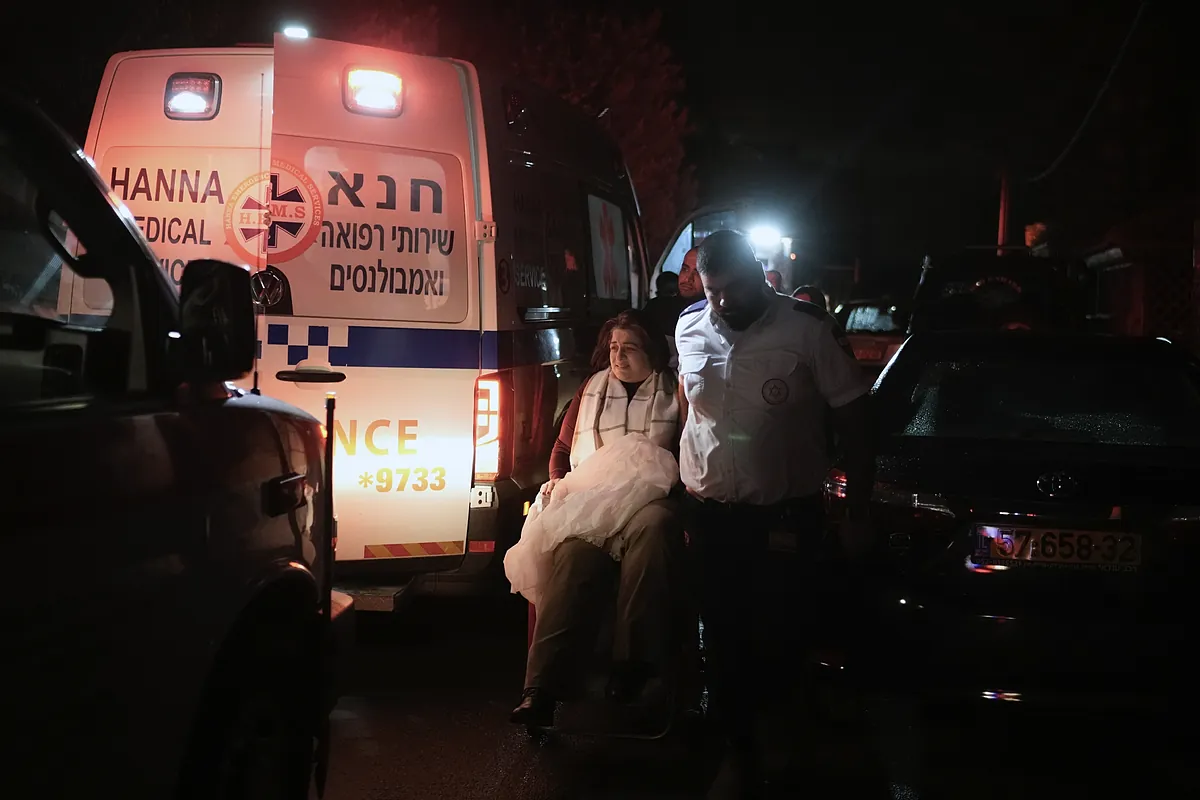
On November 18, 2024, panic struck the urban landscape of Ramat Gan, near Tel Aviv, when Hezbollah unleashed a missile attack that injured five individuals, with a 54-year-old woman reported in serious condition. This act of aggression marks a critical escalation in the already tense and volatile situation between Israel and the Lebanese militant group Hezbollah.
Sirens wailed across densely populated regions around the buzzing metropolis of Tel Aviv, a stark reminder of the ongoing conflict that has plagued the region. Initial military reports indicated that the Israeli Air Force (IAF) had intercepted the missile. However, subsequent statements from district police revealed a troubling reality: it was not just shrapnel but rather the missile itself that struck Ramat Gan, leading to significant injuries and extensive damage to infrastructure.
According to eyewitness accounts, people were enjoying their day in a routine bustling environment when chaos erupted. An empty bus, shops, and a sizeable building felt the brunt of the attack, igniting fires and causing power outages in the vicinity near Bnei Brak, a small town that shares a closeness to the urban chaos.
The residential streets, named after the founding father of the state, David Ben-Gurion, transformed into a scene of devastation, as emergency responders raced against time to treat the injured and manage the substantial material damage.
In a further display of the impact of the attack, the Ben Gurion Airport temporarily suspended all landings and takeoffs amidst the alarm from ongoing missile threats, affecting more than a million people across the central region. This immediate security response underscores the chaotic state of affairs surrounding air travel and safety as threats from the skies loom over urban life.
This missile launch came just hours after another deadly incident where an Arab-Israeli teacher lost their life in Shfaram due to a Hezbollah projectile aimed at civilian structures. As the attacks from Hezbollah intensified, the Israeli military responded with an aggressive display of airstrikes, targeting positions throughout Lebanon and resulting in an increasing death toll. Reports indicated that over five people died and numerous were injured in retaliatory strikes aimed at the heart of Hezbollah.
Attacks Escalate Amid Truce Negotiations!
As tensions simmer in what seems to be the final throes of truce negotiations, a troubling paradox unfolds: while both sides inch closer to an agreement, the cycle of violence sees no end. In a peculiar twist of irony, the anticipated ceasefire discussions have fueled greater fervor in military actions. Hezbollah has ramped up missile launches into northern Israel, while the Israeli Defense Forces (IDF) unleash heavy bombing campaigns across Lebanon.
This vicious cycle not only perpetuates suffering on both sides but complicates diplomatic efforts for peace. U.S. envoy Amos Hochstein is scheduled to meet with Nabih Berri, the Lebanese Parliament president and a Hezbollah ally, to gauge Lebanon’s response to a truce proposal. Observers speculate that shifts towards peace may quickly dissipate against the backdrop of mounting aggressions.
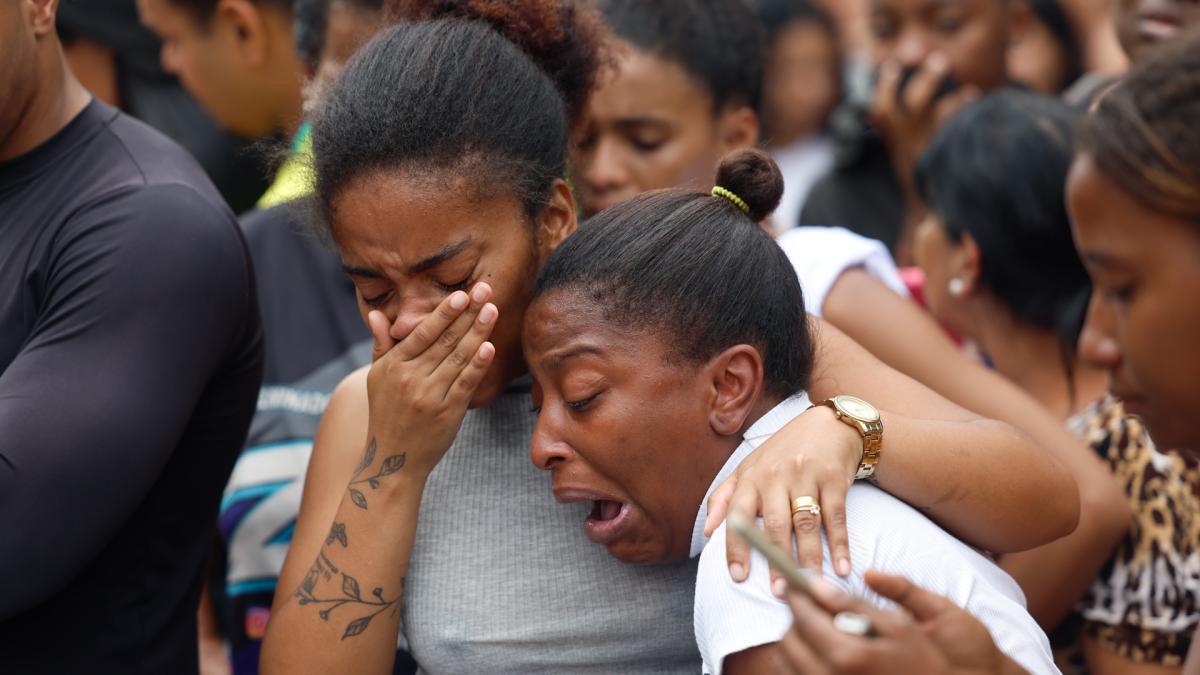
As news circulates about potential agreements to stem the tide of violence, witnesses on the ground narrate the haunting echoes of sirens and the fear that grips populations caught in the middle of this crossfire. Each attack feeds into the narrative of an unresolved conflict, continuing to displace people in both Israel and Lebanon, creating lasting legacies of trauma.
This precarious environment sees Israel mobilizing ground forces while simultaneously executing air missions into Lebanon, leaving many to wonder—is this poised fight for peace only preparing the battleground for the next phase of violence?
The struggle between Hezbollah and Israel extends beyond the immediate conflict, encamping the psyche of citizens living in perpetual anxiety over the next possible strike. Analysts highlight numerous challenges faced by both sides—diplomatically and militarily—hinting at a convoluted reality where principles of peace seem eclipsed by a thirst for power and retaliatory dominance.
As both the U.S. and Israeli officials ramp up negotiations, the question looms large: Can genuine peace strategies emerge from such a contentious foundation? Or is this just another iteration of diplomacy dancing on the precipice of violent retribution?
In conclusion, while negotiations continue, every missile fired and siren sounded pushes the hopes for stability further from reach. With each attack, the people of Israel and Lebanon find themselves caught in a relentless cycle of fear, uncertainty, and destruction as the prospect for a quiet existence fades more profoundly against the reality of war.