

“`html
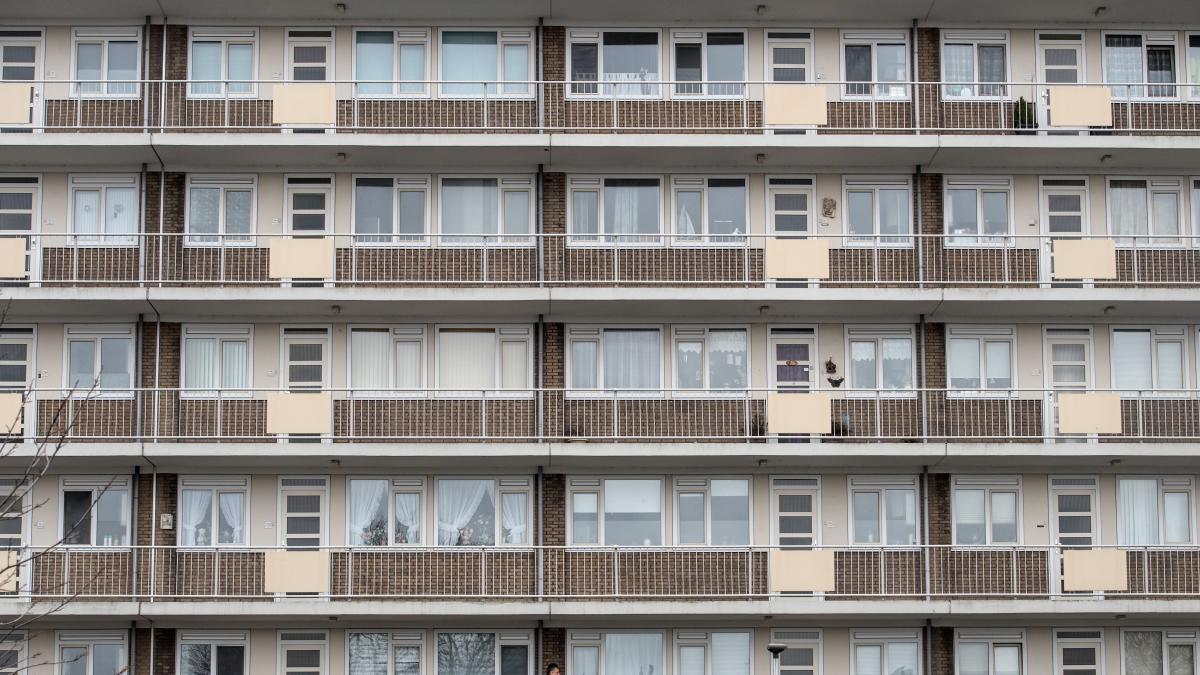
“People from outside get the houses first and that’s not fair,” says a PVV voter
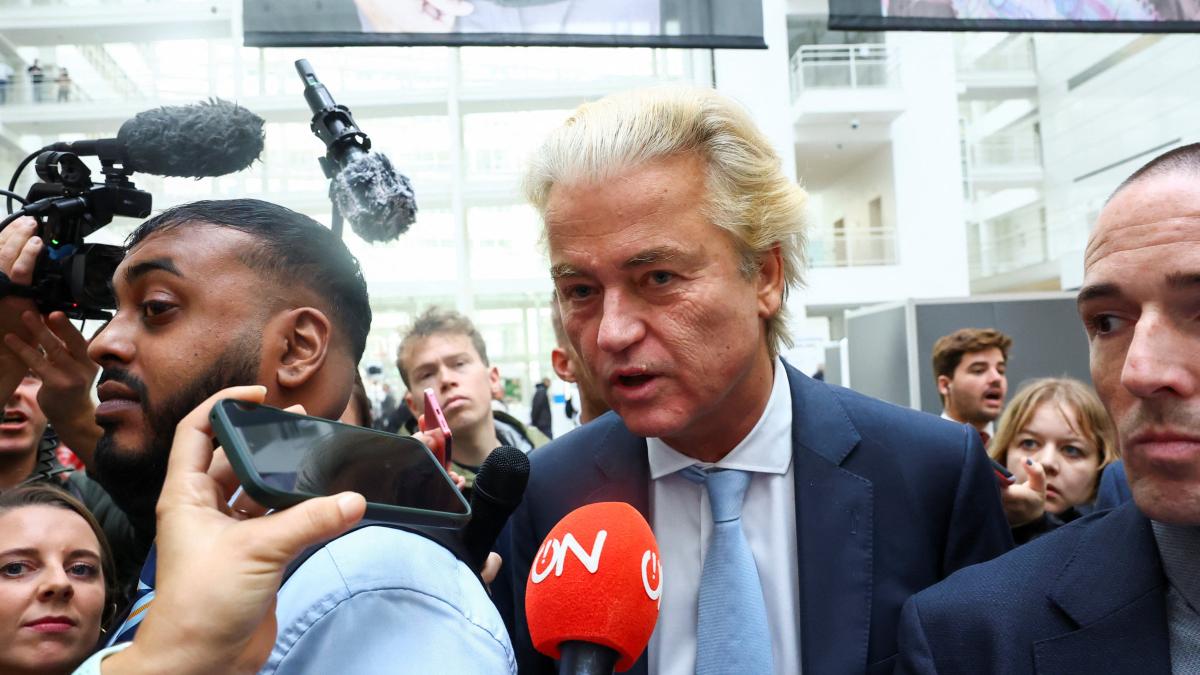
In a shocking display of anger and frustration, Betty, a 35-year-old mother and Dutch retiree, bemoans her son’s long wait for social housing. As she cast her vote for far-right leader Geert Wilders, her fervent complaint echoes a growing sentiment: the system is rigged in favor of immigrants!
Spijkenisse, once a peaceful suburb of Rotterdam, has transformed into a battleground of ideologies. Wilders, who boldly declared he would rid the country of “Moroccan scum,” has struck a nerve in 2023, garnering an unprecedented 38% of the local vote! Yet, with the current elections around the corner, the question remains whether he will maintain this momentum or see his support wane.
Immigration and Housing: An Explosive Cocktail
The housing crisis has dominated Dutch politics, drawing a stark line between the burgeoning number of asylum seekers and the dire needs of long-standing residents. Wilders cleverly ties these two issues together, creating a potent mix that captivates his base. “It’s just not fair that housing is being taken from people who’ve waited for years!” agrees Bianca, another angry voter.
“The houses should be for the people who live here,” she passionately asserts.
While some argue that the real culprit is the government’s failed policies over the past two decades, the narrative that immigrants are the root cause holds strong sway. Even amid these discussions, dissenting voices like Sepehr subtly remind us that populism isn’t the answer, yet they remain overshadowed by the increasingly dominant right-wing discourse.
The Left Tries to Broaden the Debate
Amid the chaos, the left makes desperate attempts to bring broader issues to the table. Political players like GroenLinks-PvdA propose a monumental housing initiative costing €36.6 billion—a clear bid to distract from the immigration issue that Wilders has harnessed to his advantage.
“The left is trying to open the debate and expand it,” warns political scientist Tom Louwerse. He recognizes the conservative pivot that associates the housing crisis with immigration, a narrative that is grabbing media attention and shaping public opinion.
Will Wilders Reign Supreme?
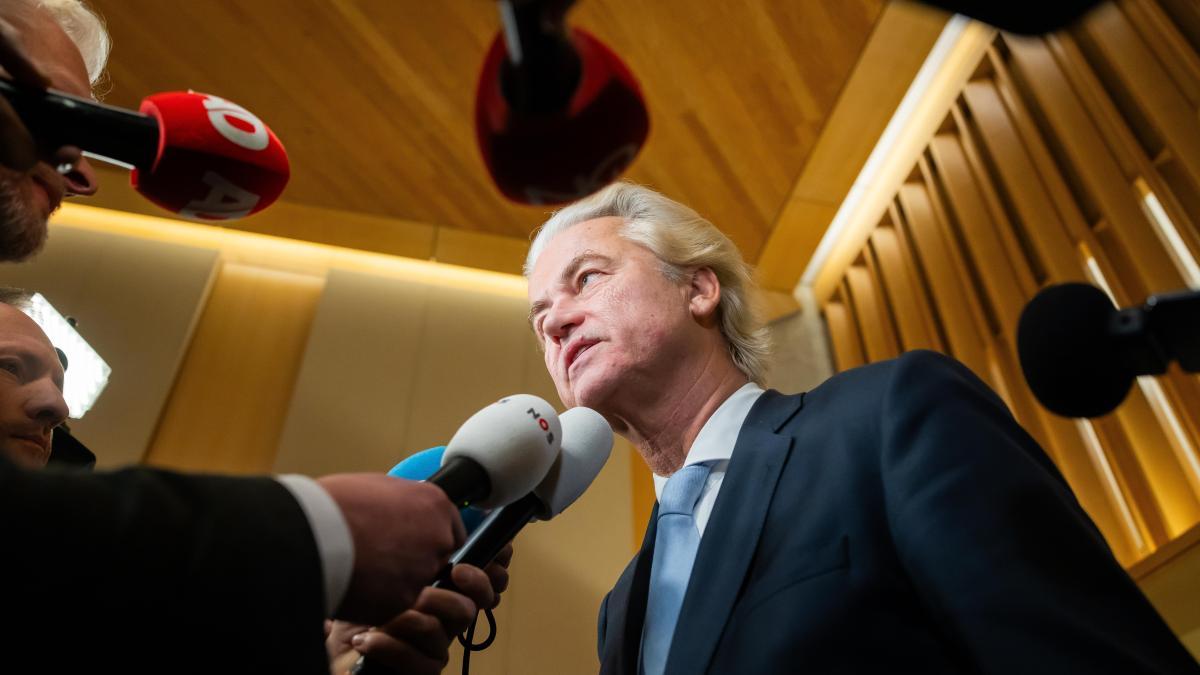
With polls indicating a potential 19% victory for Wilders, it’s evident that his controversial tactics have found fertile ground. But one must ponder: can he truly form a government when mainstream parties are so vehemently against the radical right?
“We are Christians and we will vote for a Christian party,” proclaim Michel and his wife, whose life has been a struggle amidst unaffordable rents. In their eyes, faith may hold the key to their survival in a landscape that feels increasingly hostile to the native population.
The future remains uncertain, but one thing is clear: the issue of housing and immigration will remain at the forefront. As the Dutch elections loom closer, the nation holds its breath. Will Wilders bring about the changes voters yearn for, or will his brand of politics ultimately lead to greater divide? The battle for the Dutch soul is just heating up!
“`











Leave a Reply