

“`html
Amidst Chaos: The Human Cost of Palestinian Displacement
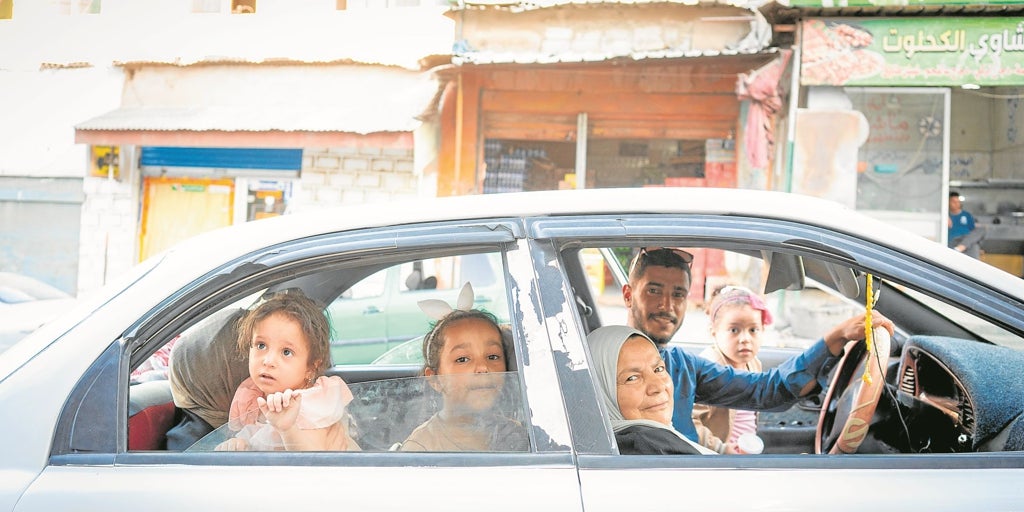
Amal Abdelfati is a heart-wrenching testament to the unbearable suffering faced by countless families caught in the crossfire of the never-ending conflict. Last Sunday, September 21, marked two excruciating years since he last laid eyes on his children and grandchildren, all because of the relentless war in Gaza. This 62-year-old man, born and raised in the Al Maghazi refugee camp in the south of the Gaza Strip, had plans to visit Jordan and perform a pilgrimage to Mecca. Little did he know, Hamas’s heinous attack on Israel’s Kibutz on October 7 shattered those dreams.
“With the war, I could no longer return home. They wouldn’t let me in. I have three of my five children, my grandchildren, and all my brothers left behind there,”
he laments, his eyes reflecting profound grief. Amal’s emotional turmoil is palpable as he expresses guilt over his departure, questioning,
“What did we know about everything that was going to happen!”
His sister-in-law, Asmira, does her best to comfort him in the Jerash refugee camp in Jordan, where they currently reside. Despite the devastation in his homeland, Amal clings to his faith, grateful that his family remains alive, but despairing over the communication blackout as they traverse the ravaged landscape of Gaza in search of safety.
Separation: A Shared Nightmare
The tragedy doesn’t stop with Amal. Nasser Al Fatha, a 55-year-old who has also been uprooted from his home, finds himself paralyzed by the horrors he left behind. On his trip to Jordan to visit relatives, he too was trapped by the war. “They have no money, no food, only humanitarian aid that comes in trickles, which is not enough,” he weeps, desperately unsure if his family in Jabalia is alive or dead. Nasser’s living conditions are a bleak reminder of the toll this conflict takes on the human spirit.
- Emotional distress is constant; the pain of uncertainty gnaws at them day and night.
- Access to basic necessities is a daily struggle—each family survives on an abysmal average of just €1.30 a day.
- 88% of campers lack medical coverage—deepening their plight and despair.
The Grim Reality of Life in The Jerash Refugee Camp
Welcome to the only ‘Gaza’ where you can actually enter — the Jerash refugee camp, a stark reflection of broken promises and lives upended. This camp was envisioned as a temporary refuge, but decades of neglect have transformed it into a permanent prison for over 40,000 Palestinian refugees. Although life persists here—with shops, bakeries, and street vendors—the overarching sense of despair lingers, as many fear they’ll live out their lives in this concrete confinement.
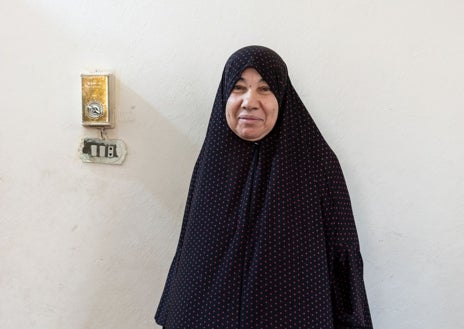
Taher, aged 65 and stateless in the eyes of the world, can’t shake off the guilt as he watches the devastation unfold on his television.
“I am Gazatí,”
he states unequivocally, his identity stripped yet unbroken, clinging to the threads of hope for peace amidst chaos.
Voices in the Shadows: The Perspective on Hamas
When questioned about Hamas, responses vary. Some support resistance against Israel’s military occupation, but no one seems to believe in their methods. “I ask my God to take revenge for everything they are doing to us,” Nasser cries out, a reflection of their collective anguish as they live in the shadows, yearning for normalcy.
As they watch the news, bodies are counted, lives lost, and futures obliterated, their emotional well-being crumbles. One cannot ignore the silent suffering—the faces of children, the old, and the grieving—who deserve better than a narrative of pain and hardship. Each of these families is a symbol of resilience, but the reality of their existence is a reminder that they are caught in a conflict that feels never-ending.
“`
*SEO Key Phrase: “war in Gaza”*










Leave a Reply