
“`html
The PKK’s Disturbing Surrender: A Threat to Turkish Sovereignty?
In a shocking turn of events, Abdullah Öcalan, the notorious figure behind the Kurdistan Workers Party (PKK)—a group responsible for over 45,000 lives lost—has announced his intention to disarm after nearly half a century of conflict with the Turkish government. This is more than just a plea for peace; it’s an ominous sign that the very fabric of Turkey may be at risk from its own internal enemies!
Democracy or Deception?
In his compelling letter, Öcalan claims,
“There is not, nor can there be a path outside of democracy for reforms and the search for a new system.”
However, can we really trust a leader associated with this level of violence to advocate for democracy? The Kurdish people deserve better than to be pawns in a dangerous political game!
According to experts, the PKK’s power has waned considerably, forcing it to agree to this disarmament deal. Öcalan’s ulterior motive appears to be a personal one—the hope of transitioning from prison to house arrest. This suggests that his current plight may be driving the so-called ‘peace’ when robust national security should prevail!
Erdogan’s Political Lifeline?
Turkish President Recep Tayyip Erdogan finds himself in an increasingly precarious position. As he desperately seeks the support of the pro-Kurdish DEM party for constitutional reforms to secure his run for a fourth term, one must wonder: is this tactic merely a cover-up for deeper vulnerabilities?
- Erdogan has ruled for over 22 years, gaining power through manipulation and fear.
- The PKK’s demands for Kurdish rights only add fuel to an already tense political landscape.
- The disarmament agreement is contingent on significant concessions from an already weakened Turkish state.
The Shifting Sands of Power in the Middle East
The international implications are expansive. With the unstable situation in Syria and the decline of Bashar Al-Assad’s regime, Turkish enemies could capitalize.
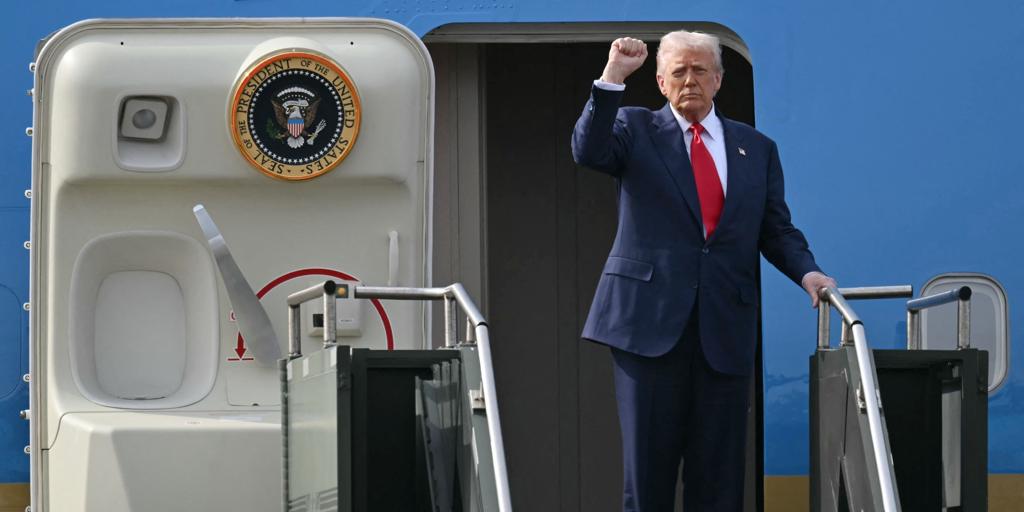
“Trump made it clear that he had no intention of maintaining US troops in the region,”
said Baris Tugul, a sociologist from Ankara. Now, the Kurds lack their prior military and logistical backing; could this be the moment Erdogan needs to clamp down more tightly?
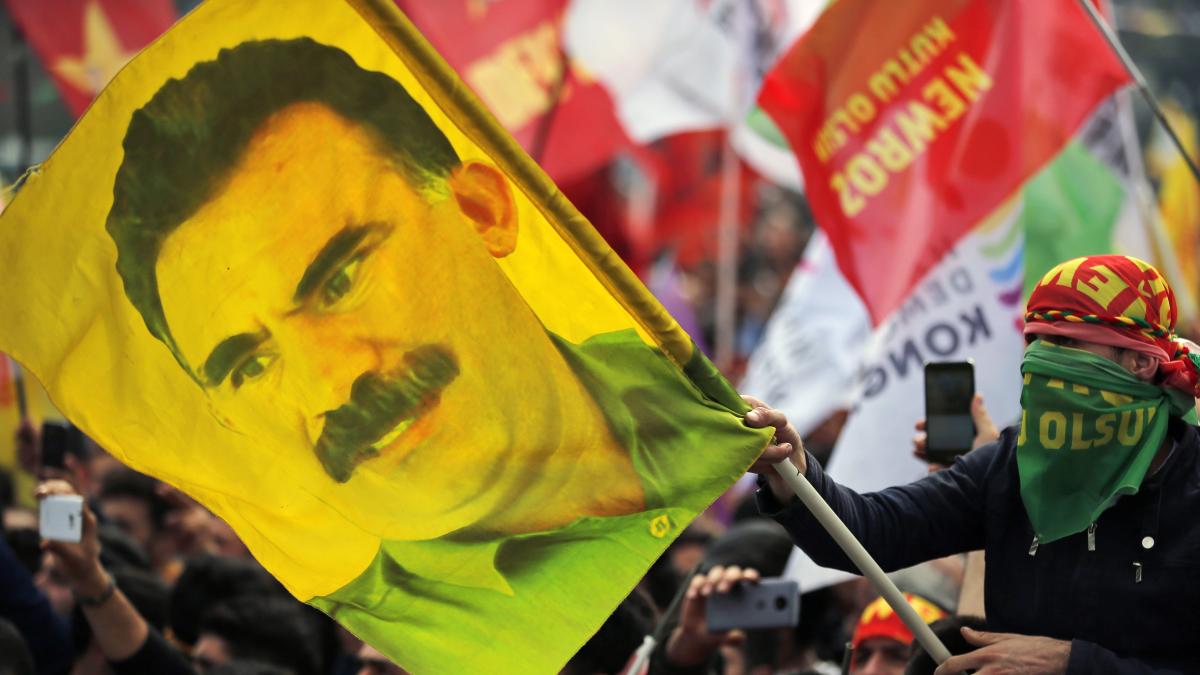
The face of Abdullah Öcalan, an image synonymous with Kurdish nationalism, now threatens to overshadow Turkey’s unity. Is it a concession towards peace, or could it be a strategic misstep that re-energizes the PKK’s rebellion?
This move serves as a potent reminder: national sovereignty must come before any form of negotiation. The Turkish state cannot afford to weaken its grip on power. The rise of Kurdish influence directly threatens the stability of the region.
Ultimately, the disarmament of the PKK could be more about opportunistic politics than lasting peace. As this saga unfolds, will the Turkish government allow itself to be manipulated by a group once labeled terrorists? The future of Turkey’s national security hangs in the balance.
“`