
“`html
Government Controls Working Hours Amidst Energy Crisis
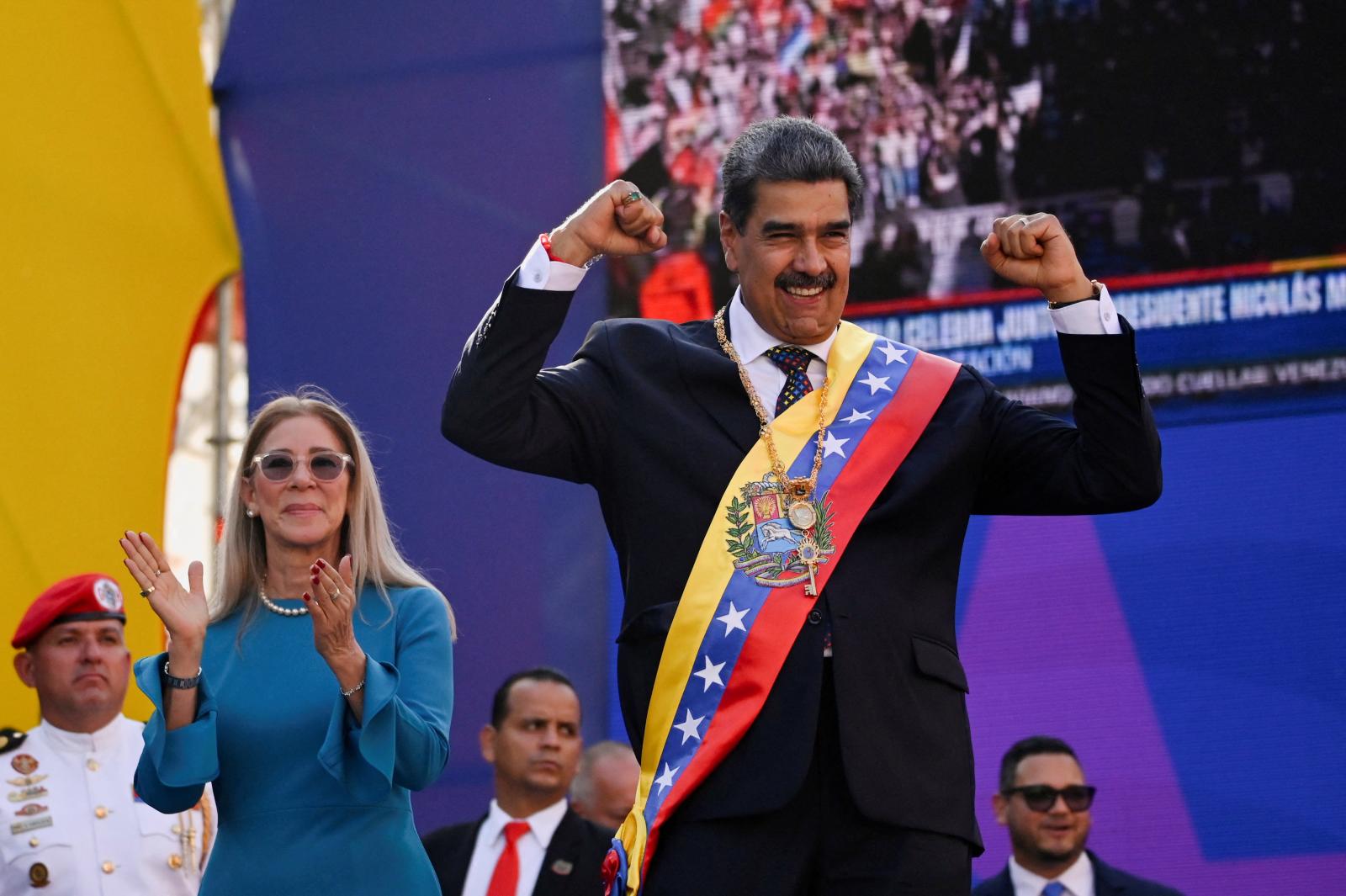
In an audacious move that screams government overreach, the regime of Nicolás Maduro has decided to cut down the working hours for public sector employees to a mere one third of 13.5 hours per week. Starting this Monday, the entire public administration is forced into a significant reduction of their work days under the auspices of combating what they call a “climatic emergency.”
Employees will now toil for just three days a week, working a pitiful 4.5 hours per day from 8 a.m. to 12:30 p.m., and only on Mondays, Wednesdays, and Fridays for the foreseeable future. This temporary measure hinges on whether Maduro can solve the ongoing electrical crisis within six weeks; otherwise, we will see an extension of this farce.
Venezuelans have been caught off guard by this sudden decree, scrambling to adjust their schedules and commitments. This is just another example of a government that prioritizes control over the well-being of its citizens.
Notably, this shocking reduction excludes the education sector. While teachers are forced to conduct classes three times a week due to insufficient staffing, they continue to struggle against meager public sector salaries, fueling frustration among educators.
“The reduction in working hours will contract the national economy even further,” says economist José Guerra.
The Maduro administration claims this decision is in response to a chronic energy crisis, a disgraceful state of affairs that stems from corruption draining funds intended for revitalizing thermoelectric and hydroelectric plants. Reports reveal that current electricity generation is “80% below its capacity,” raising alarms that rationing measures are about to return.
The Implications of Reduced Work Hours
This awkward reduction of working hours doesn’t merely reflect a managerial blunder; it signifies deeper issues within the country’s energy infrastructure. The cutback is a retrogression, recalling the catastrophic energy failures Venezuela faced a decade ago. Yet, what is lost on Maduro and his cohorts is that this approach will further damage an already fragile economy.
- Chronic energy crisis worsened by government mismanagement
- Lack of foresight leading to abrupt changes in working conditions
- Negative impacts on the nation’s economic stability
As the regime tries to pass the buck on climate issues, the failures of a corrupt administration only serve to highlight the urgency for change. Venezuela’s citizens deserve a government that focuses on solutions, not distractions. It’s time we demand accountability for the dire situation our country finds itself in. The question remains: when will we see the corruption truly addressed?
“`