

“`html
Russia and the United States Fail to Reach Agreement Amidst Ukraine Crisis
In a shocking turn of events, after an exhausting twelve-hour negotiation marathon in Riyadh, the delegations from Russia and the United States could not present a unified front. This failure to issue a joint statement highlights the staggering influence of Ukraine in international diplomacy, as reported by CBS News.
The Kremlin Blames Ukraine
Dmitri Peskov, spokesperson for the Kremlin, brazenly stated that the details of the meetings would remain confidential, attributing this diplomatic disaster to Ukraine’s position. Vice President of the Defense and Security Commission, Vladimir Chízhov, went on Rossiya24 to elaborate, claiming that Ukraine’s obstinacy derailed the potential consensus.
“The mere fact that such extensive discussions ended in silence is indicative of Ukraine’s stranglehold on the situation,” said Chízhov, emphasizing the unnerving grip Kyiv holds over global tensions.
Trump’s Phone Calls: A Glimmer of Hope?
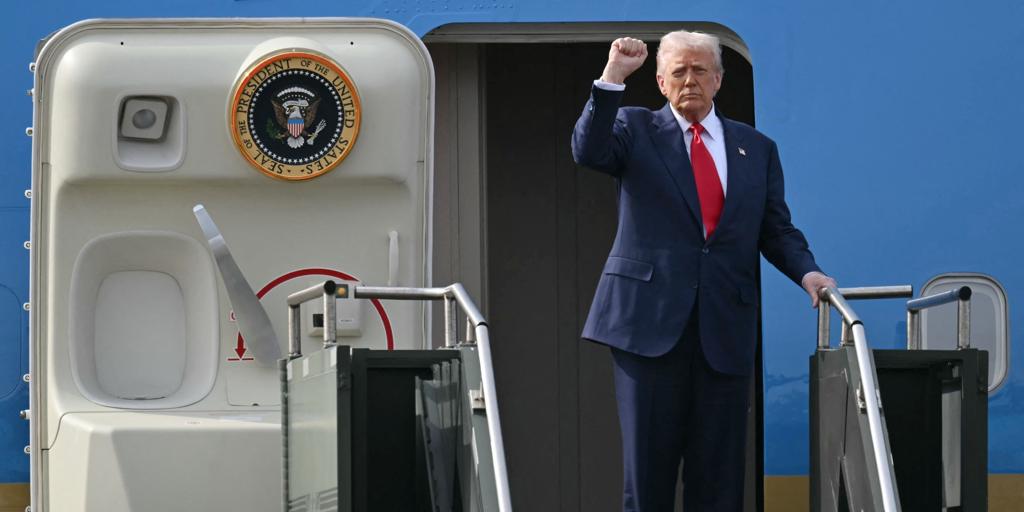
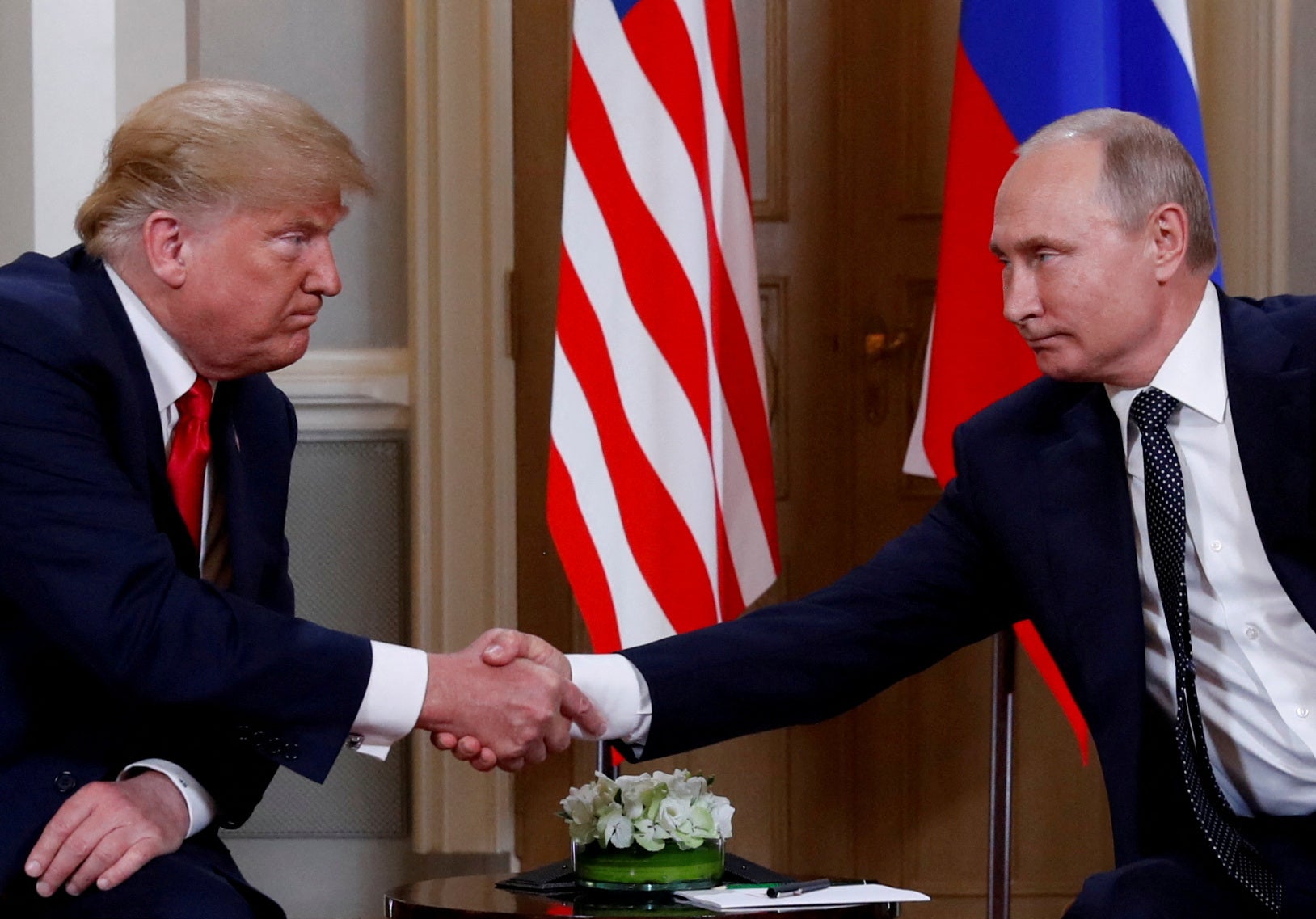
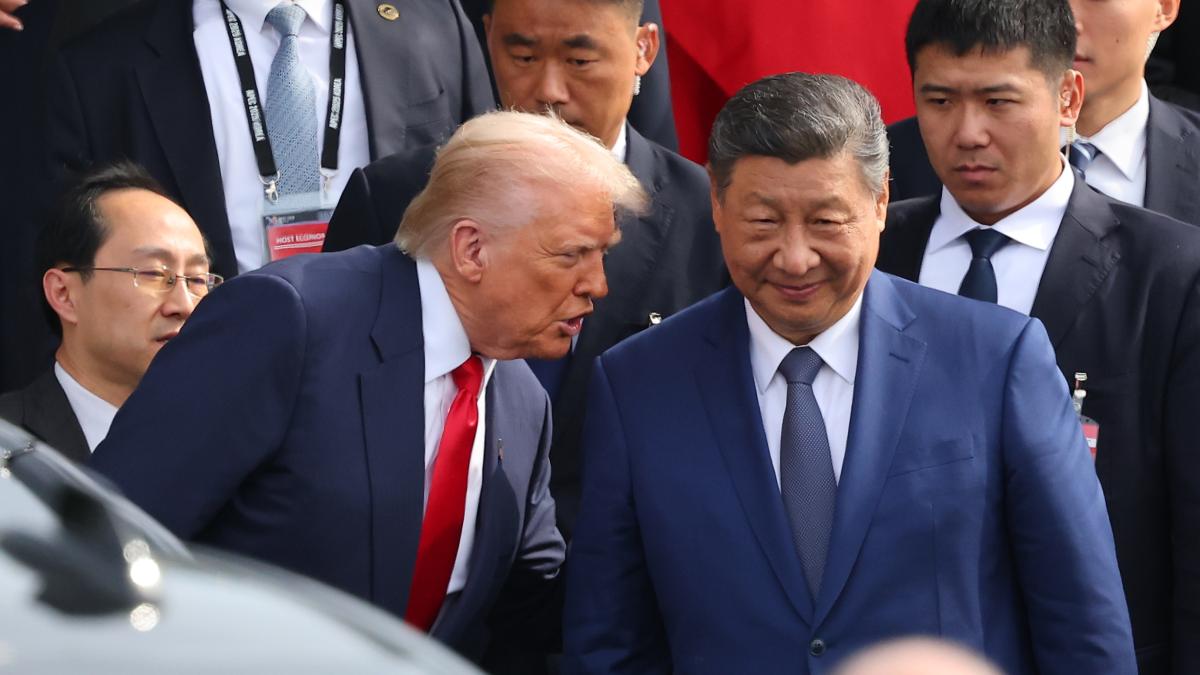
Meanwhile, former President Donald Trump’s recent phone conversations with Vladimir Putin have sparked speculation. In their discussions, they agreed to explore avenues to resolve the ongoing Russia-Ukraine conflict. However, Trump’s commitment seemed contingent on Kyiv’s compliance and readiness to negotiate.
Grain Talks Suggest Future Peace Talks
As Washington seeks to expand its influence in the region, it hopes to revive a grain agreement that could pave the way for broader peace negotiations. Peskov emphasized, “These talks are crucial and detailed. We must understand the facts before making conclusions.”
Challenges Ahead with Zaporiyia Nuclear Plant
In a further twist, the temptation to discuss the future of the Zaporiyia nuclear power plant looms large over negotiations. Ukrainian advisor Serguéi Leshchenko revealed that Kyiv does not rule out the involvement of the United States in exploiting Ukraine’s critical resources, provided it can regain control over the nuclear facility.
“The U.S. offers security for our assets, but only if we play ball,” Leshchenko hinted, indicating the precarious balance of power at play.
What’s Next?
As the world watches, the escalating tension and complex negotiations highlight the precarious situation. The inability to collaborate only serves as a reminder of the underscored necessity for cooperation—something that seems increasingly elusive under the dominant shadow of Ukraine’s influence.
“`