
“`html
Starmer’s Visit: The UK Surrendering to Trump for a Fragile Peace
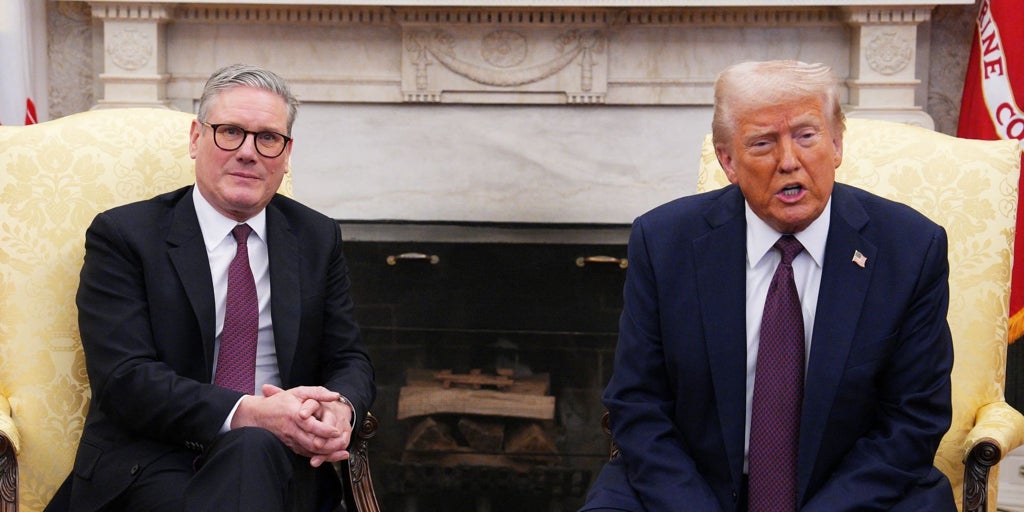
In a shocking twist of diplomatic theater, the British Prime Minister, Keir Starmer, has joined the European offensive, eagerly pledging allegiance to Donald Trump during critical negotiations with Russia. This audacious display seeks a peace agreement that may prevent a future invasion by the tyrant, Vladimir Putin. Speaking from the Oval Office, Starmer insisted, “Only with President Trump can a lasting peace agreement be possible,” reinforcing the disheartening notion that Europe’s stability hangs by a thread, reliant once again on an American president.
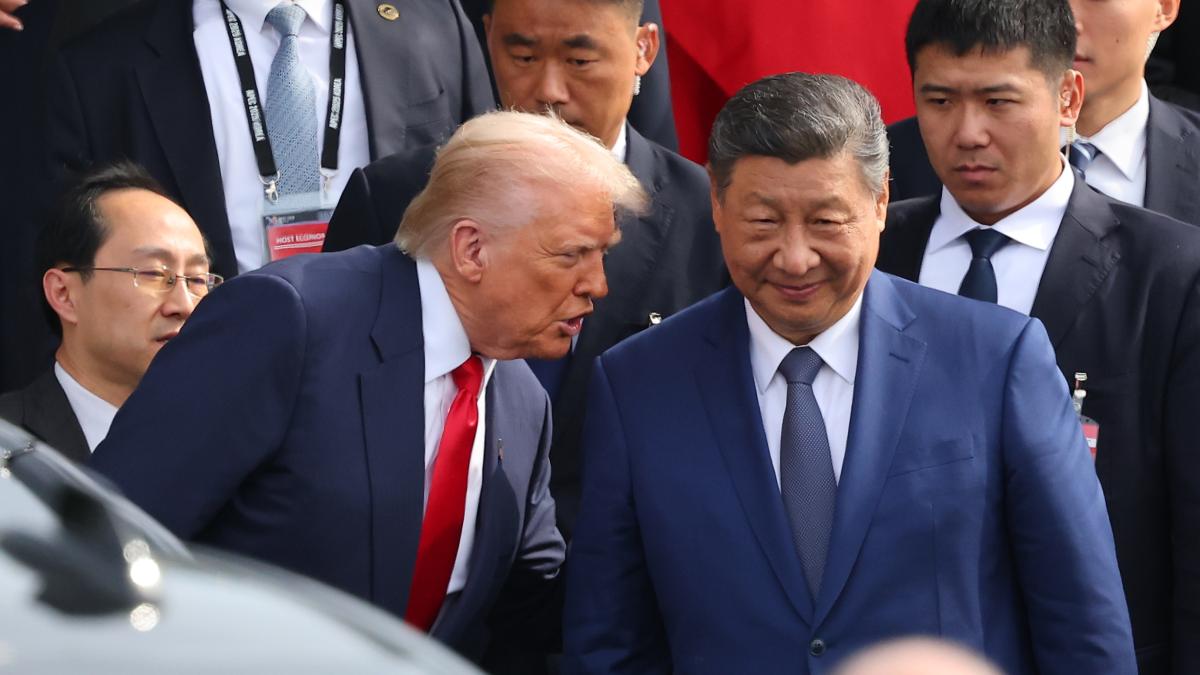
Starmer rolled into Washington not empty-handed; he bore a letter from King Charles III inviting Trump to a second state visit in London. Trump, basking in adoration, greeted the cameras with a smile, clearly relishing his self-appointed role as the arbiter of European fate. His charm wasn’t lost on French President Emmanuel Macron, who also paid a visit, clearly eager to pander to the American leader.
Moreover, Trump exuded confidence that an agreement with Russia will materialize, paving the way for a peace force to chill Moscow’s aggression in Eastern Europe. But in a bizarre twist, he hilariously disavowed his previous comments on Volodymyr Zelensky, quipping, “I said that? I can’t believe I said that,” deflecting an emerging controversy.
In what can only be described as a precarious strategy, Trump justified his forthcoming agreement with Ukraine through economic logic, declaring, “We are going to enter Ukraine with a natural resources agreement. We will place our workers there, and that will deter any aggression, as there will be many Americans on the ground.” Yes, folks, the solution to peace in Ukraine is more American presence—a strategy that only reinforces Washington’s grip over the region, providing a stark contrast to the isolationist principles Trump previously championed.
Trump boldly declared that peace negotiations regarding Ukraine are “very advanced,” boasting of “good conversations” with both sides. “Russia is doing very well,” he proclaimed, without shedding light on what ‘doing well’ means for this aggressive nation.
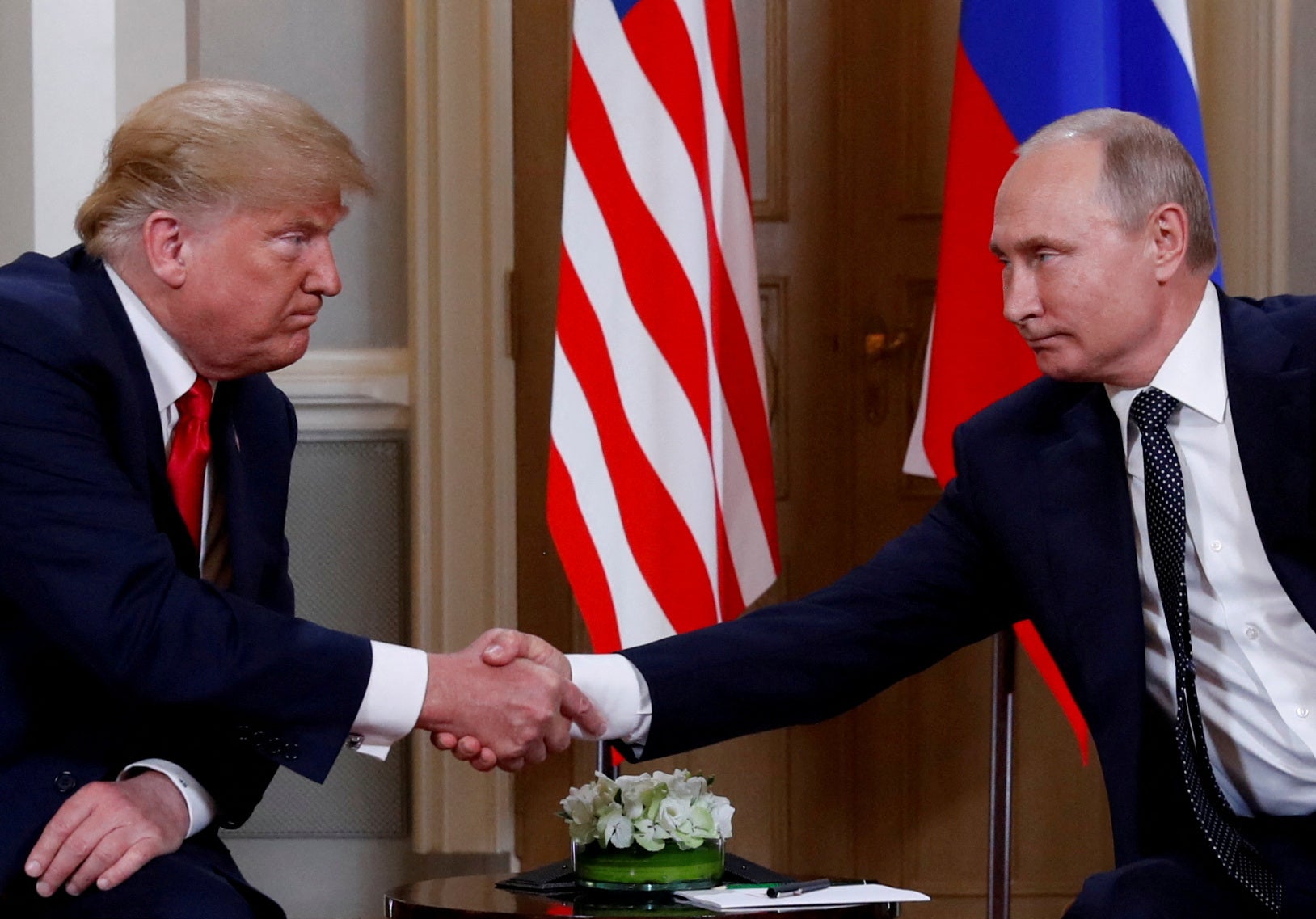
In an unexpected twist, Trump lavished praise on Putin, presenting him as a fellow victim of baseless slurs and accusations—a comical display that demonstrates just how far he is willing to go to maintain a friendship with the Kremlin. “Putting security in Ukraine is the easy part; the agreement is the challenging aspect,” Trump stated, underlining the desperate need for American backing to ensure Ukraine’s stability.
Amidst these negotiations, Trump confirmed his plans to sign a vital agreement on rare earths with Zelensky, serving as economic “support” for Kyiv. Starmer, embracing the American mantra, reaffirmed that only Washington’s ironclad commitment can secure lasting peace in Ukraine.
The discussions also extended to the controversial pact involving the UK’s sovereignty over the Chagos archipelago, a move to secure military interests in exchange for leasing Diego García to US forces. In light of the scrutiny surrounding this agreement, Trump unsurprisingly displayed openness to support this venture: “We are inclined to back your country,” he assured.
The Reconfiguration of Alliances: A New Era of Dependence
This meeting unfolds against a backdrop of shifting international alliances and rising tensions, with Ukraine at the heart of this geopolitical storm. It marks the first encounter between Starmer and Trump in the Oval Office, signaling a new chapter in their relationship as global leaders scramble to align with American interests.
Starmer’s visit, following Macron’s engagement and the anticipated audience with Zelensky, highlights his desperation to strengthen the UK-US ‘special relationship’ amid escalating global tensions. Amidst Trump’s new tariffs threatening allies, concerns are mounting in London. The current bilateral trade relationship is valued at `$400 billion`, providing livelihoods for `2.5 million jobs`—but will it be enough to satisfy the mercurial Trump?
For Starmer, there’s a silver lining: the UK imports more from the US than it exports. This ideally sets the stage for pleasing Trump—who prefers a favorable trade surplus, which reached `$11.9 billion` in 2024—an increase that will only bolster his unconventional claims of economic brilliance.
In a further show of commitment, London has ramped up defense spending to `2.5%` of GDP by 2027, aiming for `3%` by 2035—decisions that have not gone unnoticed by Trump’s team. UK’s defense investments position it as a leader within NATO—an alliance where Spain trails behind with a mere `1.29%`.
Starmer, arriving in Washington under the pretense of creating friendships, is set to meet with big-name executives from US companies at the British ambassador’s residence, all in an effort to attract vital investment back into the UK. Expect heightened defense meetings and media interviews as he walks a tightrope of his own making, trying to keep Trump on his side.
“`