
“`html
Spaniards Favor Education Over Defense—A Call to Action!
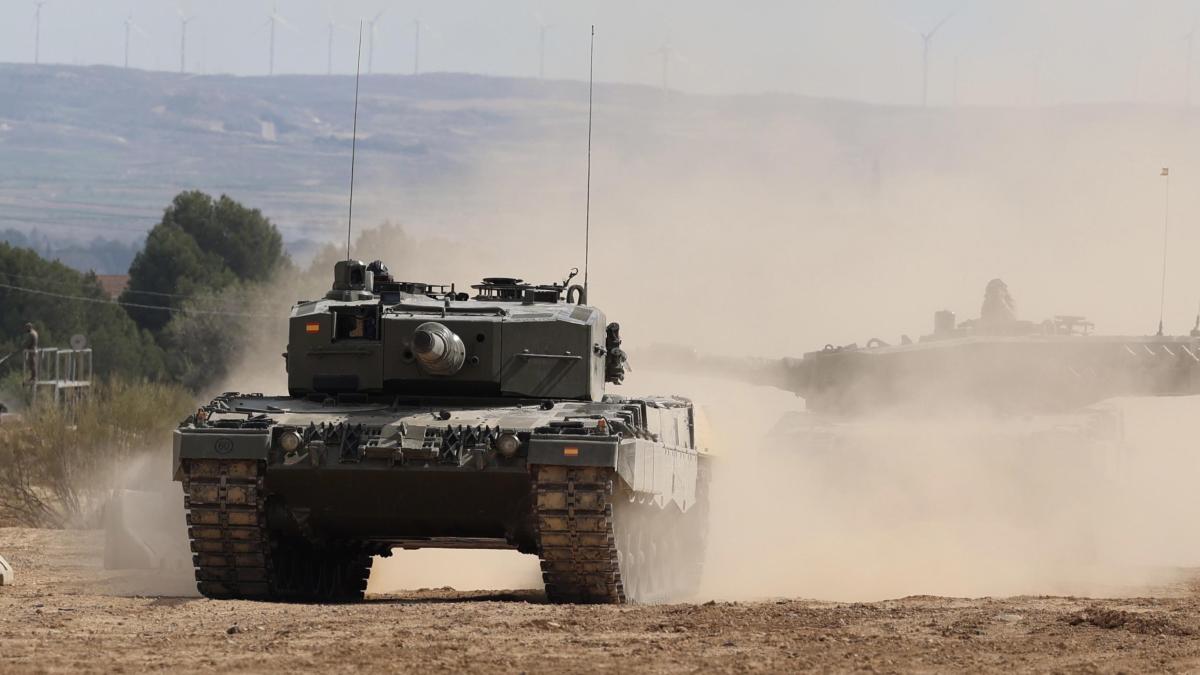
The stark difference between what Spaniards care about and what the EU prioritizes is alarming! A recent Eurobarometer report reveals that while 36% of Europeans believe security and defense should take precedence, a measly 20% of Spaniards echo that sentiment. Instead, a whopping 40% of Spaniards demand that education and research become the centerpiece of the European agenda. Are we witnessing a disconnect between the elite and the everyday citizens?
Are We Ignoring the Real Threats?
It’s essential to note that Spaniards and Europeans alike agree on the need for competitiveness, economy, and industry to be the EU’s second priority. However, agriculture and food security also rank high, showing a demand for real, practical solutions rather than bureaucratic fluff.
“The time is now for the EU to listen to its citizens or risk losing relevance in the global arena.”
Inflation? Defense? Choose Wisely!
When asked about urgent legislative matters, 31% of Europeans want inflation and cost-of-living addressed. But only 14% of Spaniards worry about defense! This divide raises questions: Are we focusing on the wrong battles?
Public Health—A Top Concern for Spaniards!
Public health is a hot topic in Spain, with 40% of citizens clamoring for more action from the European Parliament. This is significantly higher than the European average of just 25%. Clearly, Spaniards seek strong leadership in healthcare, while the rest of Europe might be losing touch with what truly matters to its citizens.
Citizens Want Unity and Resources!
A majority believe that the EU’s role has become vital in recent years for protecting citizens from global crises. But will the EU maintain this trend and give the necessary resources to face down challenges head-on?
“Without action and unity now, the future of the European Union hangs by a thread!”
The EU’s Image: A Mixed Bag
While a surprising 49% of Spaniards view the European Union positively, only 38% have a favorable view of the European Parliament itself. This disparity signals a critical need for reforms—will the EU step up or continue to wallow in mediocrity?
Conclusion: A Time for Change
It’s time for the EU to align its priorities with the pressing issues faced by its citizens. Failure to do so may lead to division and resentment among the very people it aims to serve. If the EU wants to bolster its stature globally, education and public health must rise to the forefront, not merely become afterthoughts. The future of Europe depends on it!
“`