

“`html
The Rise of Friedrich Merz: A Potential Game-Changer for Europe
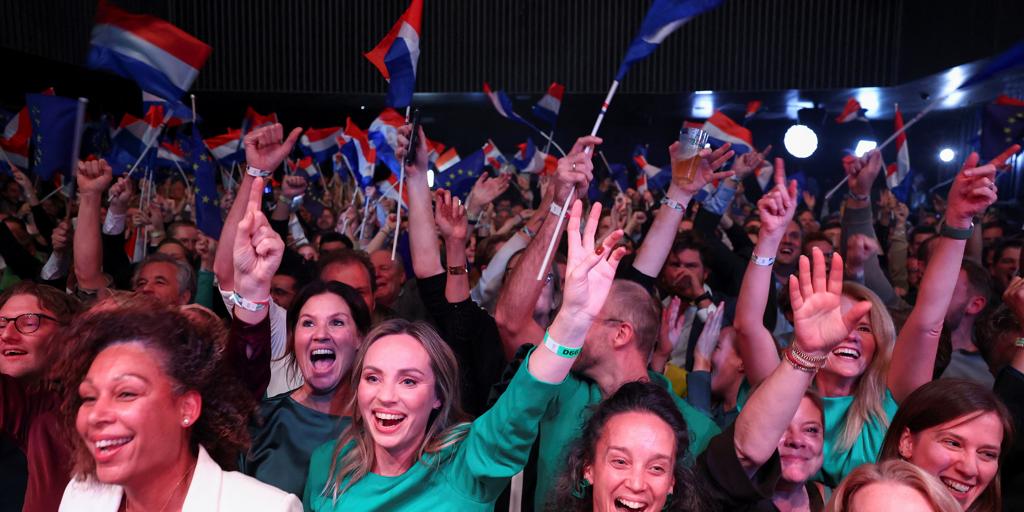
Europe is on edge as all eyes turn to Friedrich Merz, the Democristian giant who has just emerged victorious in Germany’s latest elections. This election could mark a pivotal moment for the European Union as it contends with the looming shadows of Donald Trump’s political resurgence. With the Western alliance shaking and the specter of Russian aggression evident in Ukraine, it’s clear: we need strong leadership, and the victory of Friedrich Merz comes at a crucial time.
A Promising, Yet Controversial Start
Although Merz’s party secured only a modest 28.5% of the vote, his ascent coincides with a troubling rise of the far-right Alternative für Deutschland, now surpassing 20.8%. This shift illustrates the tense political landscape in Germany, where polarization runs rampant. Some may question Merz’s ability, but perhaps his weakness could paradoxically lead to a stronger coalition government, potentially resurrecting the infamous Grand Coalition with the Social Democrats.
Merz has an uphill battle ahead of him. Germany is grappling with a two-year recession, rising social unrest fueled by immigration, and perhaps most critically, the need for a united European front against external threats.
A European Vision Through the Lens of History
Unlike the previous chancellor, Angela Merkel, who merely stumbled through her tenure as a reluctant Europeanist, Merz embodies a genuine commitment to reinvigorating the EU’s ideals. As a child of post-war Germany, he seeks to follow in the footsteps of legendary leaders like Helmut Kohl and Konrad Adenauer.
With such heavyweights behind him, Merz is not just a blip on the radar; he represents a bold vision for Europe’s future. In his own words, “My absolute priority is to make Europe independent of the United States.” This shocking declaration from a veteran Atlantist was met with a mix of admiration and skepticism.
A Shift in Defense Spending: A Counter to American Dominance
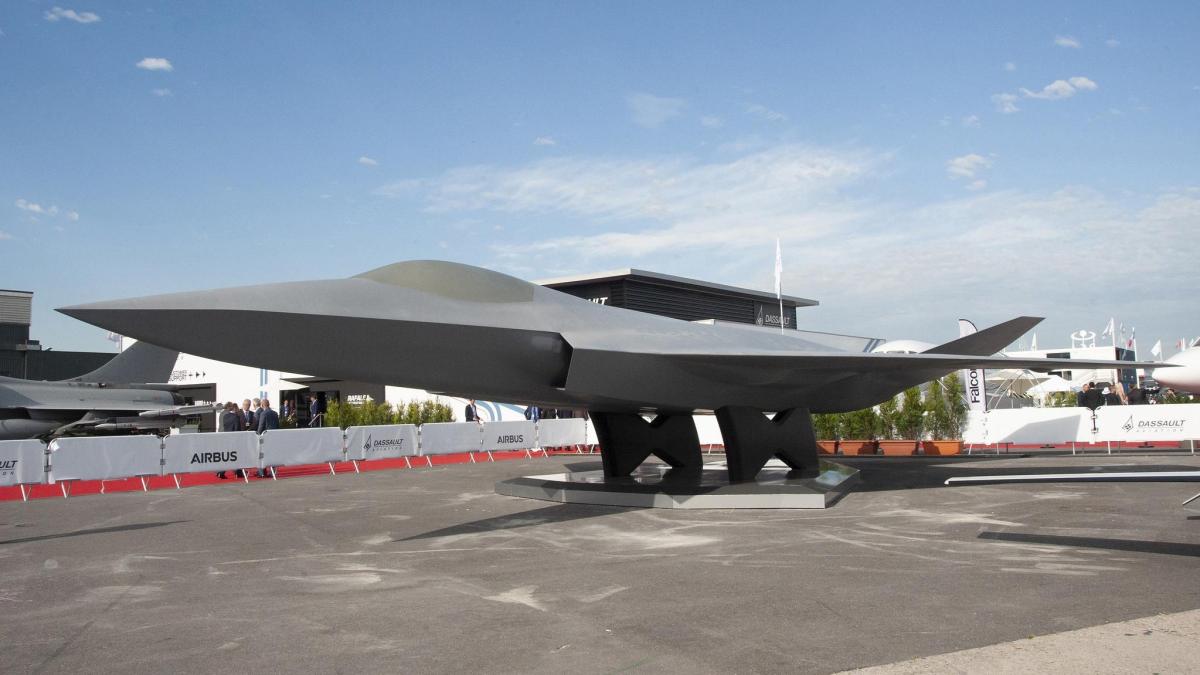
As tensions rise, Merz has suggested significant reforms to revamp Europe’s defense capabilities, aiming for a special defense fund of 200 billion euros. This move directly challenges the status quo of relying on the United States for military support. Merz understands that Europe must step up its game and pursue its own interests with vigor.
On the international stage, Merz wasted no time in strengthening ties with France, meeting President Emmanuel Macron shortly after his election victory. The two leaders now appear united in their ambition to advance European defense plans, sidelining the reliance on American security guarantees.
European Leaders on High Alert
“We need to replace US military presence in Europe; it is only a matter of time before we need a self-sufficient military.”
Shocking but true: a recent report highlights that the EU must bolster its military ranks by 300,000 troops to establish a credible deterrent against Russia. This means serious spending – upwards of 250 billion euros per year. And this isn’t mere speculation; it’s necessary for thwarting future threats.
The Stakes Couldn’t Be Higher
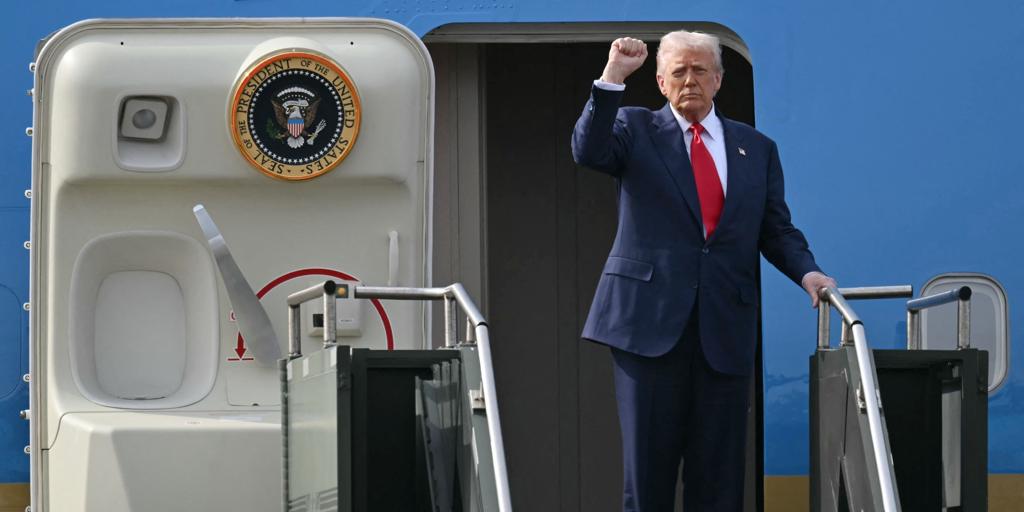
As we approach the three-year anniversary of the Russian invasion of Ukraine, the urgency for Europe to standardize its defense initiatives grows stronger. Trump’s unpredictable behavior adds an additional layer of complexity to European politics. Will Merz be the leader who finally breaks away from the leash of American influence? Or will he knuckle under to the whims of the Biden administration? Only time will tell.
- Three years of conflict: The anniversary of aggression marks ongoing unrest, with Trump threatening to cut military aid to Ukraine.
- European solidarity: In spite of differences, EU leaders reaffirm their commitment to maintaining support for Ukraine against Russian incursions.
- Resource negotiations: The pressures on Ukraine to concede its mineral wealth while navigating the precarious relationship with the US.
The period ahead promises to be volatile, with Friedrich Merz at the helm as he attempts to recalibrate Europe’s defense strategy in a landscape marred by uncertainty. As the challenges mount, his leadership could either forge a path towards a stronger Europe or potentially plunge it into chaos.
“`