

The Weekend’s Russian Assault on Ukraine Escalates Tensions Ahead of the G-20 Summit
By Sebastian Fest
Rio de Janeiro
Updated: November 18, 2024 – 20:10
The Russian attack on Ukraine over the weekend has thrown a wrench into the already complicated agenda at the G-20 Summit, which officially opened this Monday in Rio de Janeiro. Facing widespread pressure to rethink the agreement hammered out previously regarding the ongoing war that erupted from Russia’s invasion in February 2022, the atmosphere surrounding the summit is charged and contentious.
This past Sunday, Moscow unleashed its most significant aggression in recent times, specifically targeting Ukraine’s electrical grid. This alarming escalation prompted members of the G-7 to urge the Brazilian presidency of the G-20 to reconsider the document that had been painstakingly crafted following marathon discussions.
Norwegian Prime Minister Jonas Gahr Støre, a key figure at this year’s G20, didn’t mince words in his comments Sunday night: “We have to be realistic.” His assertion reflects a growing concern among leaders regarding the efficacy of the existing statements regarding conflict resolution. “The draft statements I have seen do not address individual conflicts when it comes to finding solutions,” Støre continued, highlighting the deep chasms between conflicting nations and the daunting task that lies ahead in forging a unified declaration.
Global tensions are palpable—discussions on critical issues involving the Middle East, Gaza, Lebanon, Ukraine, Sudan, Myanmar, and other flashpoints are projected to occur behind closed doors amid the glitz of Rio’s architecture.
With Russian Foreign Minister Sergei Lavrov representing his country at the summit due to an active international arrest warrant against President Vladimir Putin for war crimes, the dynamics in the room are poised to be significantly affected. Putin’s absence, however, has done little to dampen the contentious relationship between Russia and other global leaders.
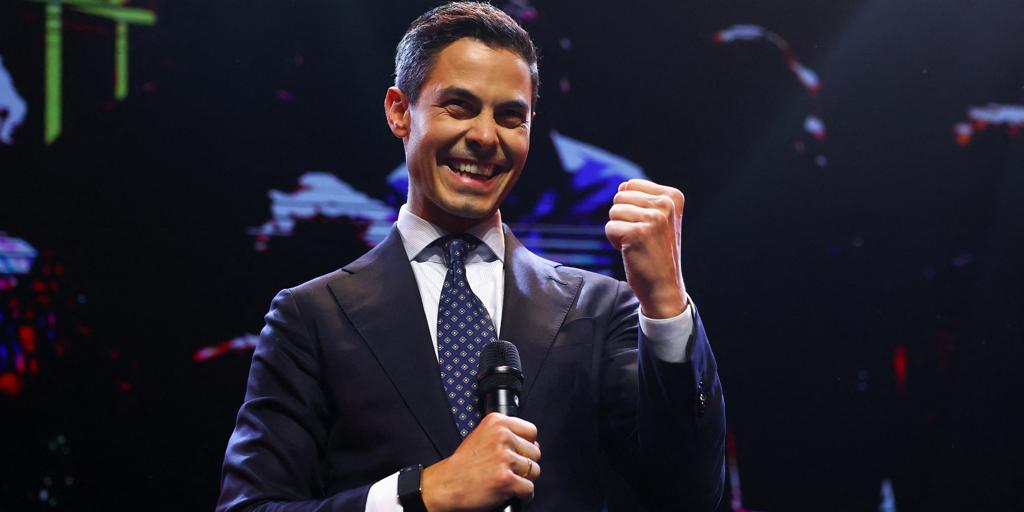
Brazil, as the host nation, has worked to create an inclusive environment that avoids explicit condemnations of any particular country to foster dialogue. However, Javier Milei, the newly elected president of Argentina, has consistently stated his refusal to endorse any documents that fail to specifically condemn the Russian invasion, a sentiment echoed by the G-7 nations.
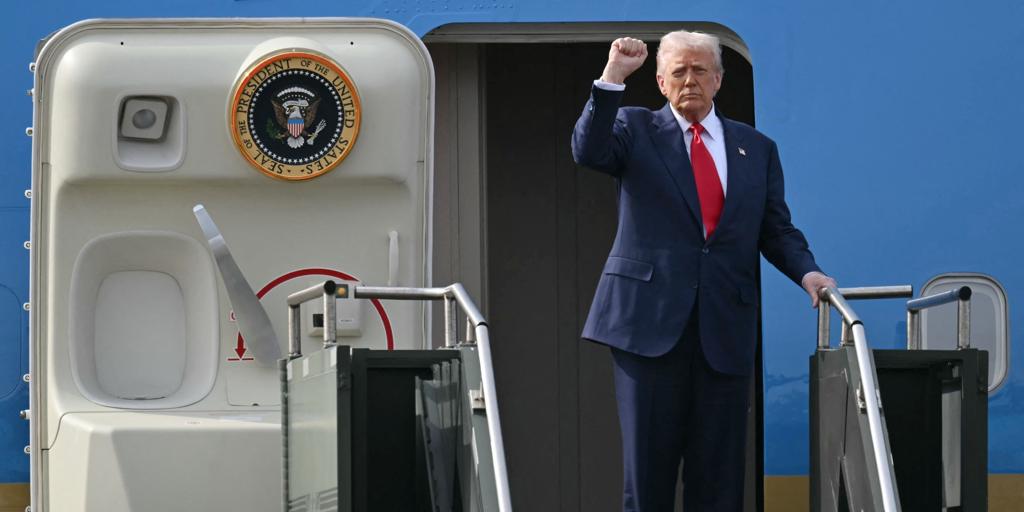
In an exclusive interview with Folha de Sao Paulo, German Chancellor Olaf Scholz subtly signaled the emerging complexities in international relations in light of Donald Trump’s potential return to the White House, a prospect that carries ominous implications for global stability. Trump has previously claimed he could end the war in Ukraine “in one day.”
“We must exercise caution against false solutions that merely offer peace under false pretenses. Peace without freedom is oppression, and peace without justice is dictatorship,” remarked Scholz, emphasizing the need for a legitimate resolution grounded in the principles of the United Nations Charter.
Thus far, Germany has voiced unwavering support for Ukraine’s aspirations for a just peace—one that respects territorial integrity and independence. For Scholz and like-minded leaders, this means persistent backing for Ukraine’s right to self-defense for as long as it takes. “Putin must understand that attempts to buy time will not prevail. Our support for Ukraine is steadfast and unconditional.”
Source: El Mundo

L. Scorza
Website: https://thirdconflict.com