

“`html
The Republican Lowers the Tone with Zelenski and Awaits Him Today at the White House to Sign the Mineral Pact
Under the watchful eye of history, the British Prime Minister Keir Starmer boldly strides into the Oval Office, continuing the audacious efforts birthed by French President Emmanuel Macron. His meeting with the Trump administration is playing out like a high-stakes game of chess with Vladimir Putin as the unseen opponent. Starmer aims to sever the Republican’s ties to the Russian oligarchic grip and secure bold provisions for Ukraine’s safety in the face of Russian aggression.
“The story must be on the side of the peacemaker, not the invader,”
Starmer declared after these discussions fortified by Trump’s dalliance with power. Gratefully, Trump acknowledged the prospect of peace but warned—without a military “safeguard,” there’s no way to achieve a lasting peace. This is a critical moment for the Western alliance—will they heed the call?
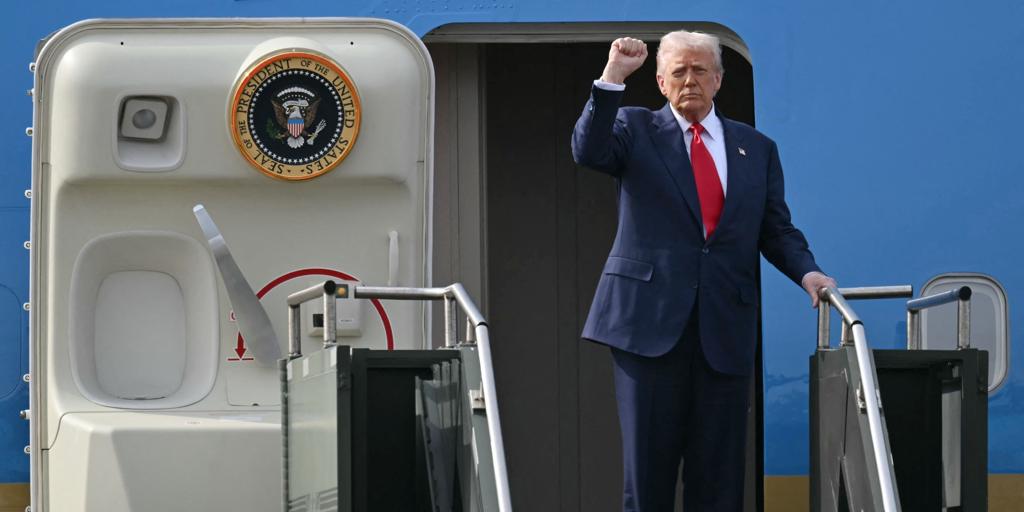
Trump was quick to feed into the narrative, confirming that he intends to seal a pact with Ukrainian President Volodimir Zelenski that permits American exploitation of Ukrainian mineral resources. He smugly claimed that having Americans involved is a “guarantee” of Ukraine’s safety. Starmer countered by advocating for a “fair peace,” emphasizing that force is the only thing that will prevent Putin from his relentless advances.
Trump’s Tactical Agreement: Is It Enough?
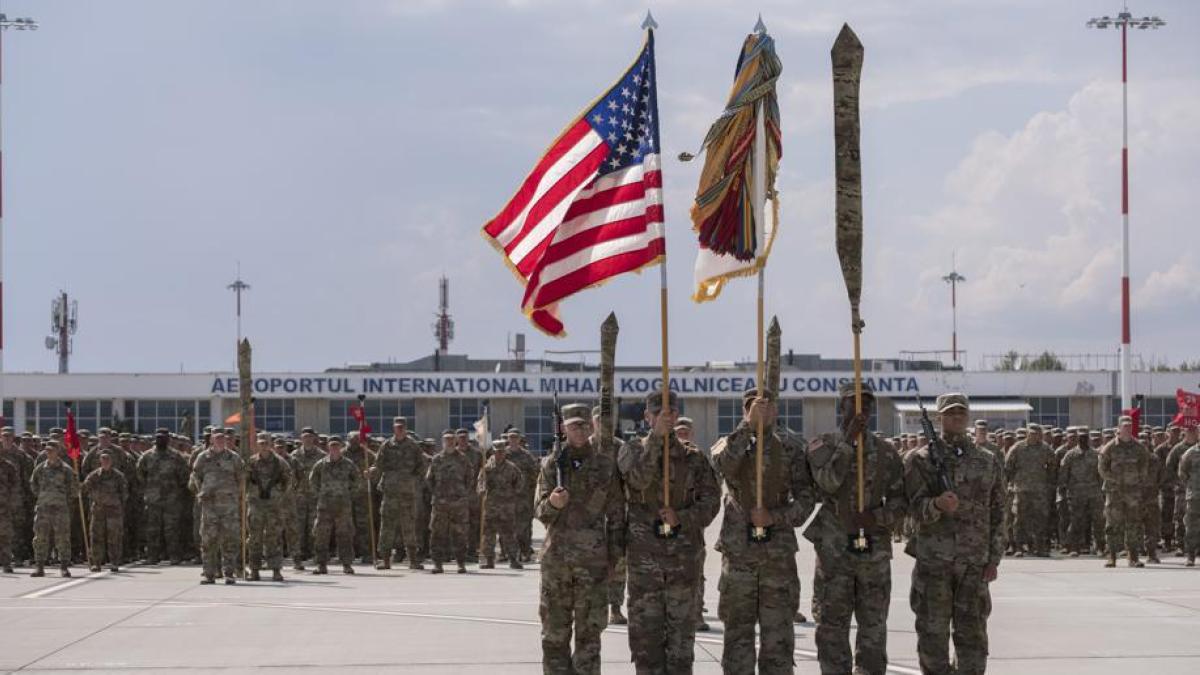
Trump echoed support for Starmer’s and Macron’s proposal to deploy troops to Ukraine, but offered a caveat—this should only take place with a ceasefire in effect. Starmer reminded everyone that any pact “must not be violated,” to which Trump exuded confidence, stating, “If we reach an agreement, it will remain.” Is this blind optimism or shrewd strategy?
When pressed about how much territory Kyiv expects to recover, Trump hinted at a revelation in today’s summit with Zelenski, aiming to reclaim lost land—an apparent shift from his own Secretary of Defense’s more defeatist remarks. Are we witnessing a new dawn in American foreign policy?
Starmer’s Bold Moves and the Power Struggle
During this pivotal encounter, Starmer gifted Trump a letter signed by King Charles III inviting him for a second state visit to the UK. “Are I supposed to read it right now?” Trump quipped, but unlike Macron’s well-established rapport with the ex-president, this was Starmer’s inaugural gambit with Trump, leading to fiery exchanges about funding Ukraine.
Starmer firmly shot down Trump’s accusation that European nations should “recover” funds sent to Ukraine, clarifying, “A good part of the money we gave away; there were loans, but in reality, most were given away.” This is crucial—will the UK and its allies stand firm or buckle under pressure?
The stakes are high as Starmer faces a powerful adversary in Macron, finding himself with a strong parliamentary majority ready to push for a defense investment surge—aiming for 2.5% of GDP by 2027 and pushing boundaries to 3% in a decade. Is this merely a gesture or a commitment to a stronger military presence in Europe?
With Trump having previously shared uncharitable remarks about Zelenski, lambasting the Ukrainian leader as a “dictator without elections,” his contradictory statements raise eyebrows. As the world watches, will the upcoming meeting with Zelenski reveal whether the US will secure ambitious guarantees in exchange for Ukraine’s rich mineral resources?
“`