
“`html
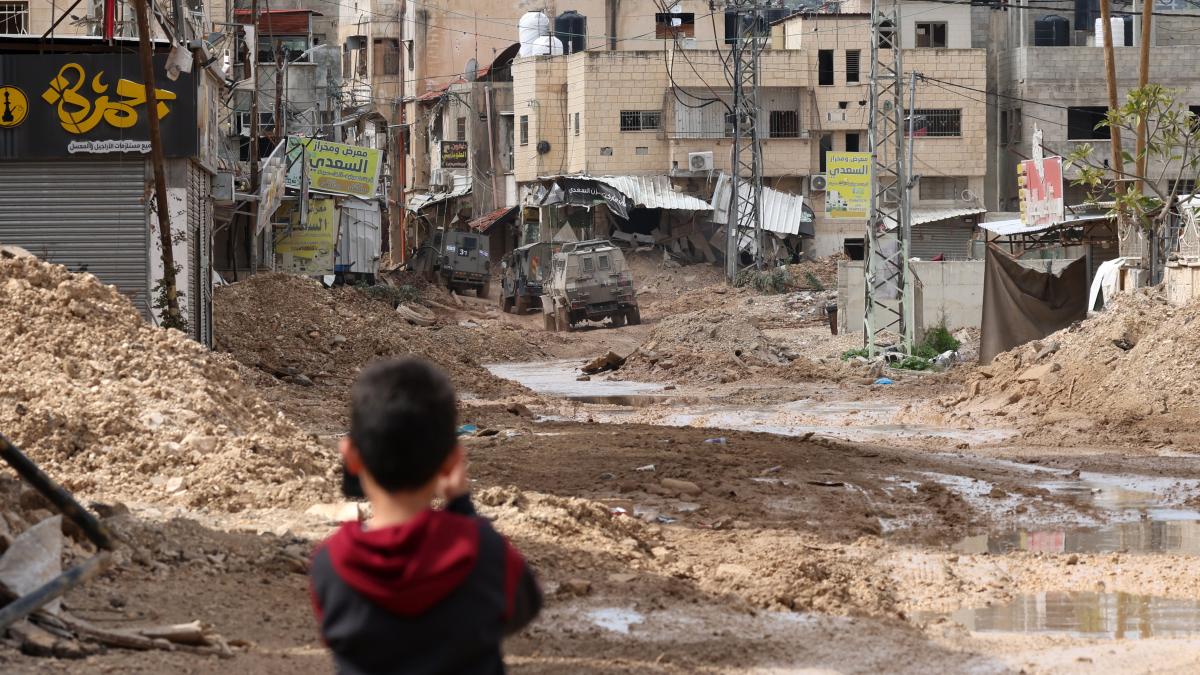
The crisis in Yenín reaches catastrophic proportions! The government hospital’s access route is a stark testament to devastation. A ground level that lies in ruins, with houses and shops riddled with bullet holes stands as a chilling reminder of the ongoing Israeli invasion. This aggressive military action, which has stretched into its second month, is costing lives and prosperity—leading to what can only be described as an unprecedented humanitarian disaster.
Israel’s barbaric actions leave 28 Palestinians dead and over 16,000 displaced!
It is a dangerous game of survival: “They started shooting from military vehicles just moments ago, warning me not to photograph!” exclaims a local taxi driver, who lost part of his finger when caught in the crossfire. With each passing day, the UN and local authorities report harrowing statistics—since January 21 alone, Israel has laid waste to 120 homes, killing innocent civilians, and turning the region into a horrifying military battleground.
How long will this barbarity continue? The director of the hospital, Wissam Bakr, reports that fears are mounting among the population: “This is a militarized hell, and people are terrified to visit the hospital.” With cancer treatments suspended for a month, the situation is dire, and soldiers continue to cripple vital water and electricity supplies, exacerbating the humanitarian crisis.
- Over 40,000 Palestinians displaced—echoing the grievous exodus of 1967.
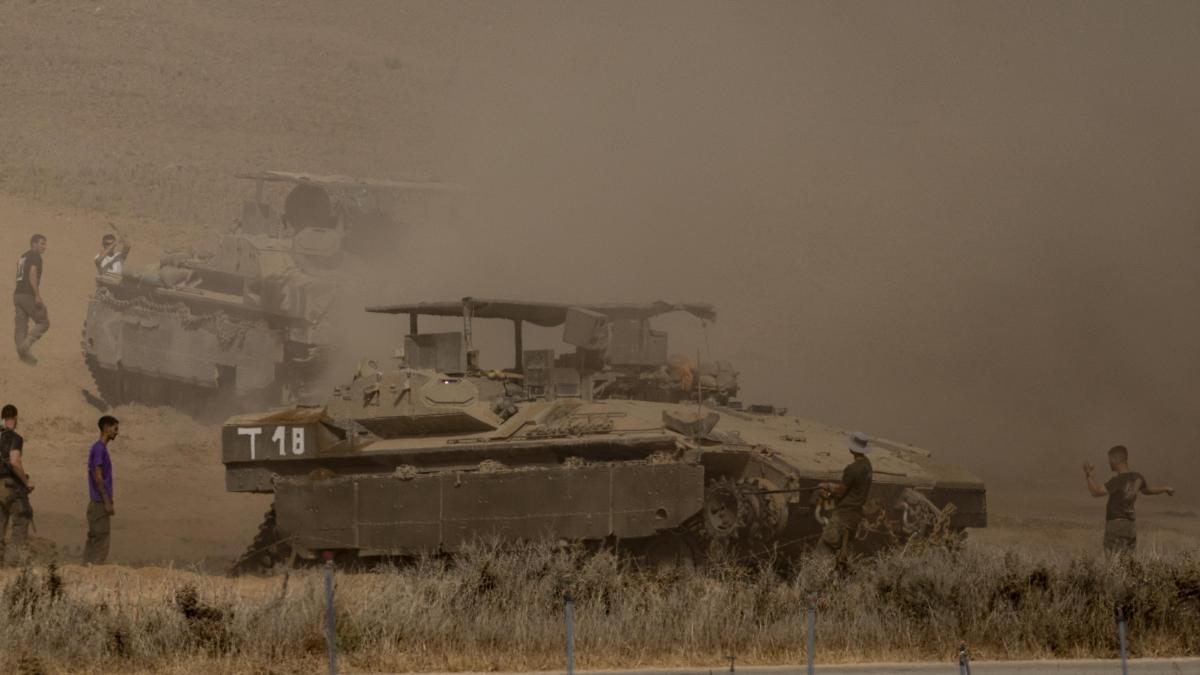
- Tanks and military presence ramp up in Yenín, marking a dangerous escalation.
- Desperate families are forced to seek shelter in makeshift accommodations.
The unwelcoming reality for refugees: Stuck and Scared!
A rehabilitation center, once a sanctuary, now holds 22 families—close to a hundred individuals—all forced to crowd into a space shattered by despair. “This isn’t the first time refugees have flooded here, but this time is markedly worse,” states Tysir Odeh, the center’s director. Israel stubbornly refuses to allow these displaced people to return home, heightening the urgency of the situation.
Despite the hopeful smiles shared in kitchens as communities band together to survive, the underlying anguish remains palpable. “There is no hope,” laments Halema Suwaydi, a dedicated teacher, expressing the deep frustration shared among her peers as they face a grim future.
“We will stay in Yenín until our last breath. We refuse to be driven from our homes like before!” This fierce determination echoes loudly among the populace, refusing to succumb to fear.
In the face of relentless oppression and violence, the spirit of the people of Yenín remains unbroken. It is a true testament to their resilience, as they vow to rebuild their lives, regardless of the destruction surrounding them. Will the world stand idly by, or will they act against this escalating tyranny?
“`